Watch CBS News

60 Minutes Archive: Iraqi defector Curve Ball

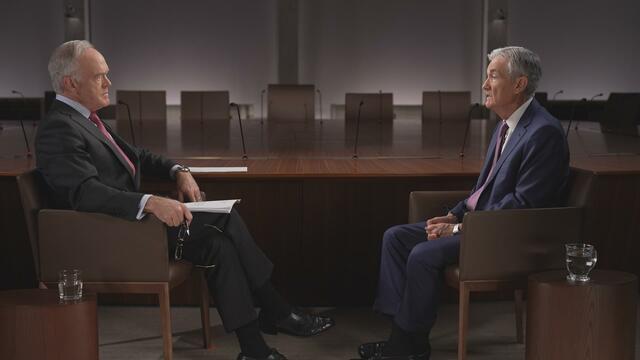
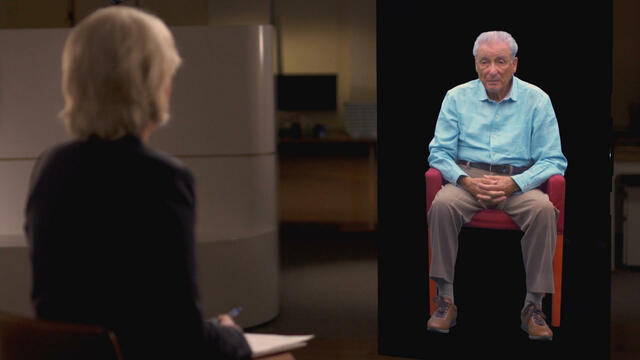
The U.S. military has declared an end to its Iraq-based anti-ISIS operation, more than 20 years after initially invading the country to oust then-President Saddam Hussein. Back in 2011, Bob Simon interviewed the Iraqi defector code-named "Curve Ball," whose false tale of a mobile, biological weapons program was the chief justification for the 2003 U.S. invasion of Iraq. "Telling the truth is not for me," Curve Ball told Simon.
11h ago (13:26)

TRANSCRIPT FOR: “THE IRAQI DEFECTOR "CURVE BALL" | 60 MINUTES ARCHIVE”

BOB SIMON:
00:01:11

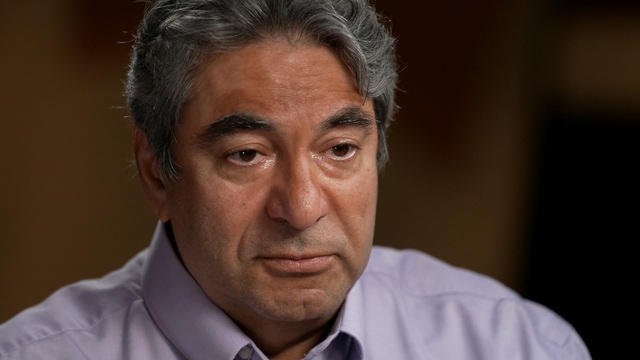
And here he is, the Iraqi informer who became known as Curve Ball. His real name is Rafid Alwan, a 44-year-old chemical engineer who says he had a mission. So you left Iraq with the idea of destroying Saddam Hussein? Exactly.
BOB SIMON:
00:01:33

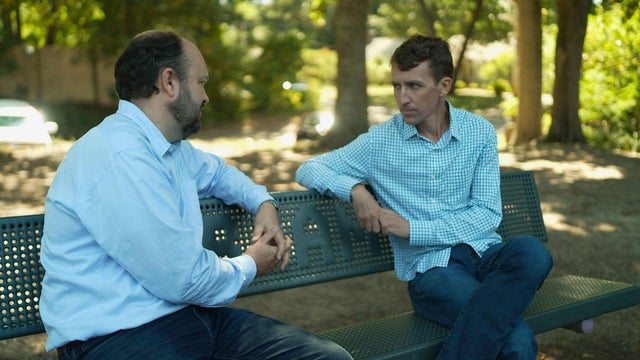
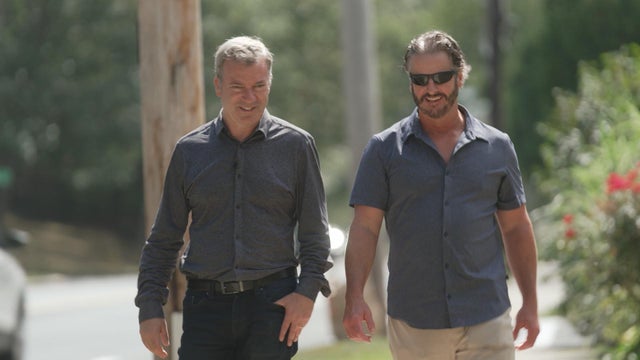
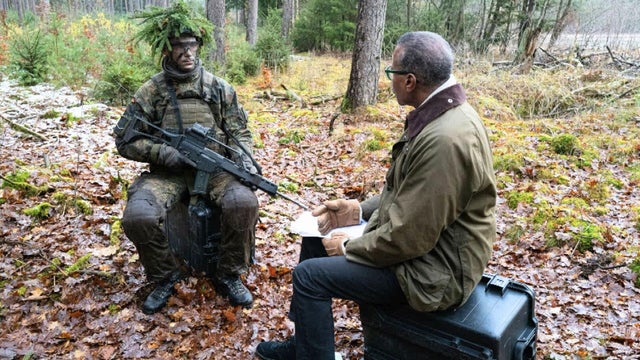
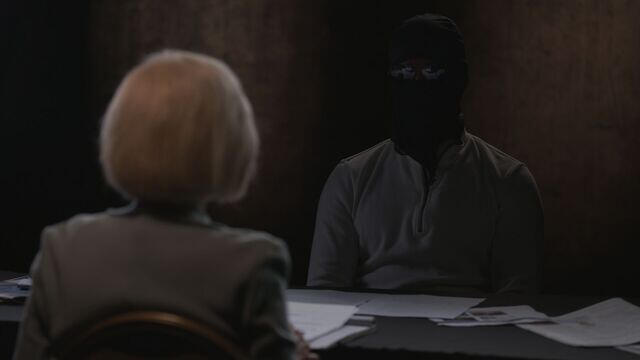
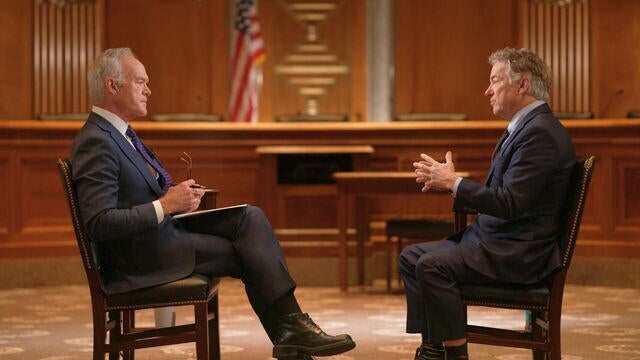
We sat down with Curve Ball in Europe. We agreed not to reveal exactly where. What made him decide to talk to us we still don't know, but he was unapologetic, hard to pin down, and really nervous. One minute, please.

BOB SIMON:
00:01:49

Not sure how much he could reveal about how he fooled Western intelligence services into believing that Iraq had a secret program to brew mobile biological weapons. I planned for this for a long time.

BOB SIMON:
00:02:03

He came up with the plan after he escaped from Iraq in the late 1990s, but curiously, instead of taking his story to a Western embassy, which is what defectors usually do, he just drifted from one country to another. You went to Jordan, Libya-- Yes.

BOB SIMON:
00:02:20

--Morocco-- Yes.

BOB SIMON:
00:02:22

--Spain-- Yes.

BOB SIMON:
00:02:23

--Belgium-- Yes.

BOB SIMON:
00:02:25

--to Morocco again-- Yes.

BOB SIMON:
00:02:28

--and then to Germany? Yes. There's a lot of traveling. Yes. [LAUGHS] How did you get the money to do that traveling? Some person in Belgium-- he's my neighbor in Iraq, and he gave me also a lot of money. Well, you've got nice neighbors.

BOB SIMON:
00:02:47

Alwan actually wanted to go to England, where he says he hoped to lure the British into thinking Saddam had biological weapons. In November 1999, he took a train from Belgium to Germany, where he was to contact a man who would smuggle him into Britain. The meeting point? The grand cathedral in Cologne. He waited and waited. The smuggler never showed. The police found you? Yes, and I don't have passport. I don't have identity card. I don't have [INAUDIBLE]. You must go to the police station.
BOB SIMON:
00:03:21

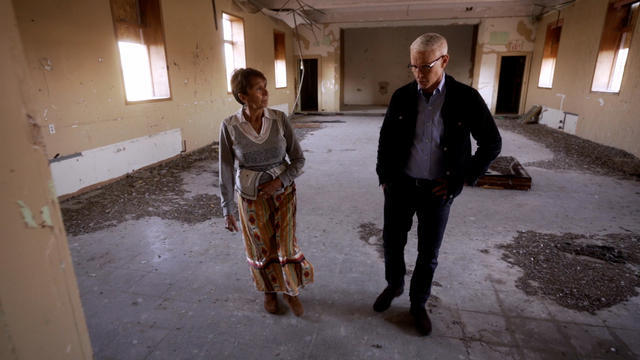
Alwan was taken to this refugee center outside Nuremberg, where he was visited by the BND, German intelligence. At first, Alwan told the truth to his interrogators. I say I am chemical engineer. You said you're a chemical engineer? Yes, that's my-- Which was the truth? Yes.

BOB SIMON:
00:03:39

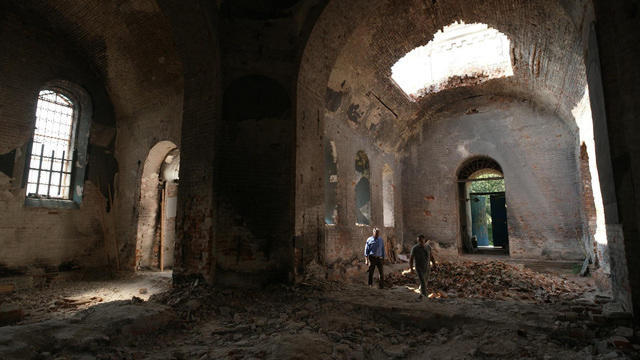
He then mixed a few facts with a heavy dose of fiction. He told German intelligence that, in 1995, he'd been made a director at this site outside Baghdad called Djerf al-Nadaf. The Iraqis said it was a seed purification plant, but Alwan told the Germans he was present when mobile biological weapons were being made there. We've diagrammed how Alwan told the Germans that specially equipped trucks made their way to one end of warehouse one, entered doors there, hooked up to hoses and pumps, and brewed biological agents. Smaller vehicles then took the finished product away, exiting hidden doors at the other end. The Germans were so staggered by Alwan's story, they hid their prized source in this hotel in the town of Erlangen. He was given the codename Curve Ball and was interrogated intensively for most of 2000. The Germans told US intelligence that Curve Ball didn't want to meet with Americans, so all Washington got were summaries of his debriefings. But the reports were quite enough to make American intelligence analysts stand up and take notice. When you look at the written reports-- and there were about a hundred of them-- you'd get a sense of someone who was there. It's convincing.
BOB SIMON:
00:05:03

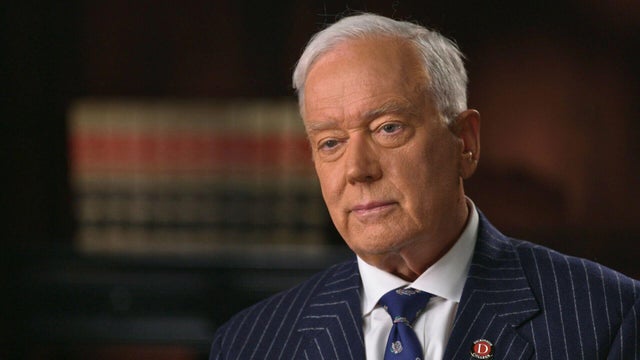
Charles Duelfer had been a leader of the UN inspections team during the 1990s. After the war began, the CIA sent him to Iraq to look for those weapons of mass destruction. Duelfer has read the Curve Ball reports. It would be difficult for someone to read those and stand up and say, none of this can possibly be true. So, in other words, not only German intelligence but the CIA wasn't making a mistake at first to take this very seriously? Well, the CIA would have been at fault to not take it very seriously.

BOB SIMON:
00:05:37

Saddam had produced biological weapons, until he was caught by UN inspectors after the first Gulf War. Curve Ball's information became especially alluring because in December 1998, Saddam kicked out the UN weapons inspectors, leaving CIA inboxes empty. So when UN inspectors left, they were left blind. Nothing there? Nothing there. And all of a sudden, they've got to make assessments and predictions based on no information. And then comes along Curve Ball. Along comes Curve Ball, and Curve Ball spun a tale, and he was telling everyone exactly what they expected to hear. So Curve Ball was sowing his seeds in a very fertile field? Precisely.

BOB SIMON:
00:06:25

The most alarming part of his story was something he said happened to Djerf al-Nadaf in 1998, a biological accident that killed 12 technicians and turned their skin black. You did tell the Germans that there had been an accident at Djerf al-Nadaf. I told that. I told you exactly. I told this story.

BOB SIMON:
00:06:46

CIA analysts also found Curve Ball credible because he named names. He said that while he was working at Djerf al-Nadaf, Dr. Basil al-Sa'ati, a noted Iraqi scientist, was the senior official in charge of the secret biological weapons program. American intelligence agents found Dr. Basil outside of Iraq and confronted him about the biological program. They were asking me, what was the program and how far did we go? But they told you they believed that you were in charge of the program? That I was in charge and I should tell them what was the program. Which I said there was nothing like such a program. I had the feeling that they thought I was lying, so to encourage me to tell the truth was to give me some money. How much? Around $50,000, I would say. So the Americans offered you $50,000 for you to tell the truth? It was to encourage me to say what they thought it was the truth.

BOB SIMON:
00:07:47

Dr. Basil wouldn't take the money. In Germany, after months of interrogation, Curve Ball became less cooperative. He refused to talk to intelligence agents for nearly a year. He needed work and got a job in Erlangen here at Burger King. The CIA didn't know about his new career or much else about him. We didn't know any of that stuff, beginning with we had never met with him and didn't even know his name or what he did.

BOB SIMON:
00:08:15

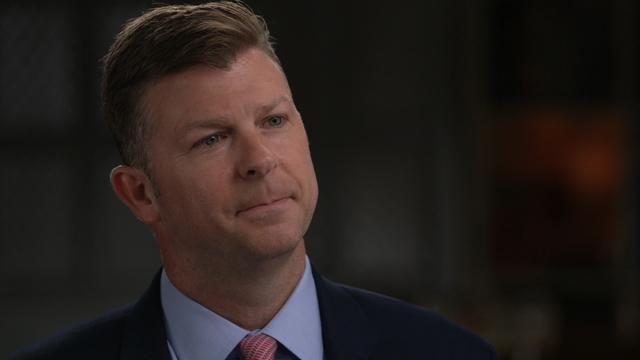
Tyler Drumheller was the CIA's European division chief at the time. He says when doubts were raised inside the agency over Curve Ball, the skeptics were shouted down. There were meetings that were so angry and so violent people-- cursing at each other and yelling, how dare you question us?

BOB SIMON:
00:08:35

Curve Ball had already provided what the Bush administration needed to beat the war drums against Saddam Hussein. He offered the best rationale for the course of action that the White House elected to take. The fundamental argument on weapons of mass destruction did pivot on this guy, Curve Ball.

BOB SIMON:
00:08:57

To make that argument before the world, President Bush selected the most trusted man in his administration, Secretary of State Colin Powell. Could Secretary Powell have given his speech to the United Nations that he did give if there hadn't been a Curve Ball? I don't think so. There would have been nothing else to talk about except things that had been talked about a million times before. What we're giving you are facts and conclusions based on solid intelligence.

BOB SIMON:
00:09:23

On February 5, 2003, Powell stated with no qualifications that Saddam Hussein had mobile biological weapons. The only source for that? A man no American had ever questioned, Curve Ball. The source was an eyewitness, an Iraqi chemical engineer who supervised one of these facilities. He actually was present during biological-agent production runs. He was also at the site when an accident occurred in 1998. 12 technicians died from exposure to biological agents.

BOB SIMON:
00:10:00

Prominently displayed were models of the mobile trucks Curve Ball had sketched to the Germans. Curve Ball now admits it was just that, a sketch, a product of his fertile imagination. Did you see trucks carrying biological weapons going inside and outside of Djerf al-Nadaf after 1995? No. I told you no. I told you exactly no.

BOB SIMON:
00:10:26

And that biological accident at Djerf al-Nadaf Curve Ball said he witnessed, the accident which killed 12 people and blackened their skin? It never happened. And it turns out Djerf al-Nadaf really was a seed-purification plant. Curve Ball, who worked there procuring parts, wasn't even at the plant when he said the accident happened in 1998. How long did you work at Djerf al-Nadaf? Four months.

BOB SIMON:
00:10:52

Four months? Yes. When did you leave Djerf al-Nadaf? I think in 1994.

BOB SIMON:
00:11:01

1994? Yes.

BOB SIMON:
00:11:03

His tale which helped launch the war, he now acknowledges, was one big lie. The story that you said helped remove Saddam Hussein wasn't true, was it? No, not true.

BOB SIMON:
00:11:19

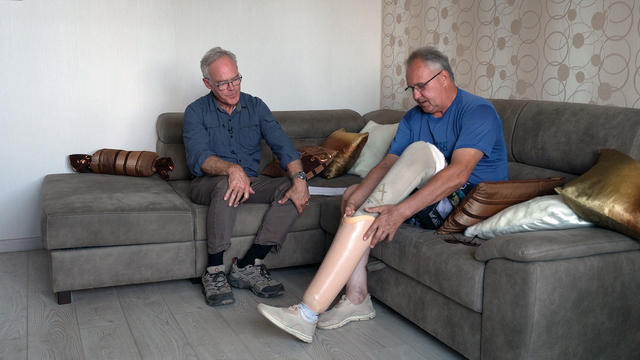
But there's still one maddening mystery. How did this low-level chemical engineer, seen here at a 1993 Baghdad wedding, come up with such a detailed story? Did someone put him up to it? Did you make it up yourself? Yes.

BOB SIMON:
00:11:35

All by yourself? Yes. Some person, he gave me--

BOB SIMON:
00:11:38

Curve Ball then hinted that someone may have helped him, but exactly who? He just wouldn't give us a straight answer. But he did tell us he considers himself a hero for the important role he played in ousting Saddam. He even ran for a seat in the Iraqi parliament last March. He got creamed. Perhaps the voters didn't see him as the hero he claimed to be. We showed excerpts of our interview to former CIA senior official Tyler Drumheller, now a consultant for 60 Minutes. Curve Ball insists he did all this to get Saddam out of Iraq. Believe him? No. I think he probably believes that himself now. I strongly feel that he did it at the time to be able to stay in Germany.

BOB SIMON:
00:12:26

If that's the case, he succeeded. Today, Curve Ball and his family have German passports and live in the southern part of the country, so now he apparently feels safe enough to tell his story, at least part of it. As our interview entered its second hour, we pressed him for the whole story, the full truth. Tell the truth, not for me. Telling the truth is not for you? No. You can't ask me to tell the truth.

BOB SIMON:
00:12:54

I cannot ask you to tell the truth? You are not-- OK. Just next time. Let's finish this time. No. Take a rest. Have a cigarette. And with that, Rafid Alwan, the man who pulled off one of the deadliest con jobs in history, disappeared back into the shadows. [CLOCK TICKING]

Videos
View CBS News In
CBS News App Open
Chrome Safari Continue