COURTNEY KEALY:
00:00:27
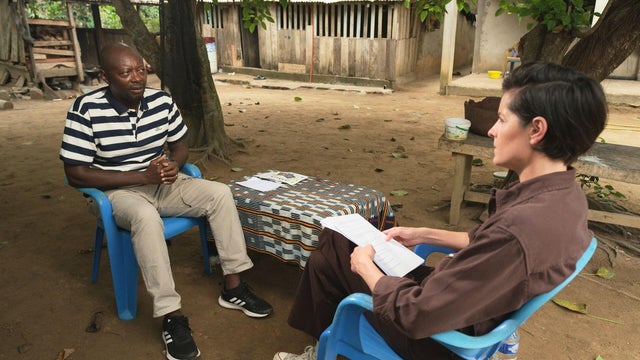
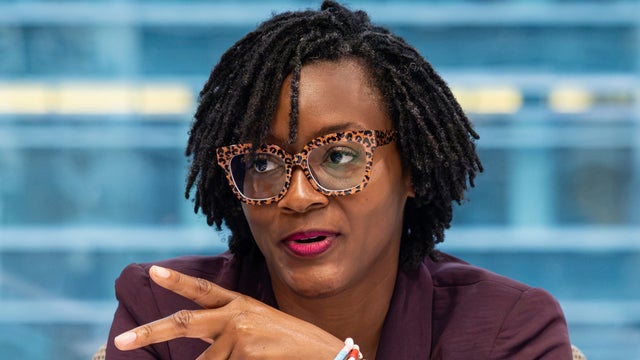
Yalda Moaiery was slapped with a 15-year jail sentence in absentia in August by an Iranian Revolutionary court for doing just that. Now Moaiery is waiting on an appeal. But despite the threat to her security, she agreed to be interviewed from Tehran on camera via Zoom, defiant, uncowed, and uncovered. How do you shed light on issues, particularly women's issues, in Tehran and Iran? How long have you been doing this? And what got you started?
YALDA MOAIERY:
00:00:56
I was taking pictures of all kinds of subjects-- men, children. But after some time, I felt that it's better to focus on my issues and my problems.
COURTNEY KEALY:
00:01:11
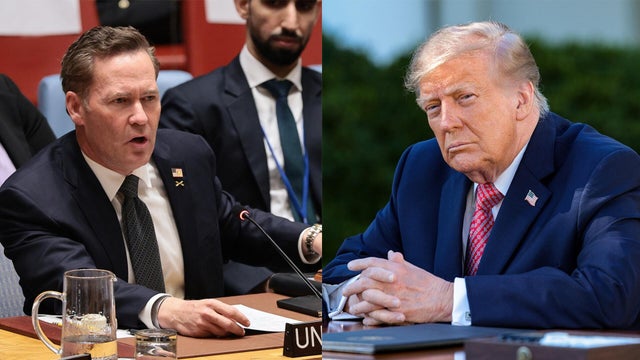
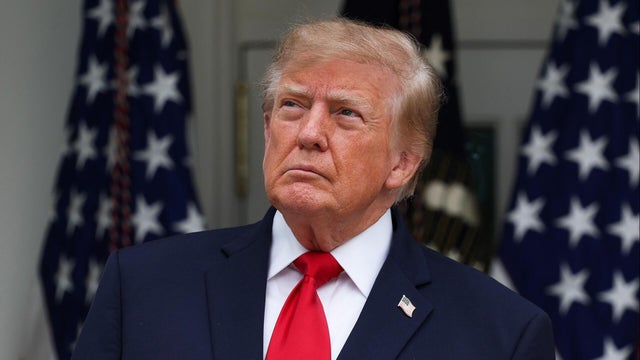
In this photograph, taken in May 2007, she captures a woman in a black chador on the right hand of the frame, part of the so-called morality police. The detained women, accused of not covering themselves properly, look terrified. Years later, the Woman, Life, Freedom movement challenged crackdowns in some places, like northern Tehran, where Iranian women defy the rules and dress without covering themselves. This photograph of a defiant Iranian woman, taken in December 2017 at Tehran University, was distributed widely outside of Iran. President Trump, then in his first term, posted it in Farsi and English without her permission, saying, "The long-suffering Iranian people deserve a much brighter future." It only got her in trouble with the regime. They always told me that-- how he did it? Did you send it yourself to him? They thought that I have a personal relationship with the president of the United States. I don't know why. But they could never forget it.
COURTNEY KEALY:
00:02:15
Moaiery moved to California and stayed with her family. But in June 2025, when Israel and then the US launched airstrikes in Iran, she was en route to Tehran within 24 hours. The US bombarded Iran's nuclear facilities on the last night of what became known as the Twelve-Day War. I couldn't stay in a country that attacked my country first. And then I wanted to take pictures of the war because I've been in many wars during my career. But your government does not support this. Your government will punish you for it. And now you're facing a 15-year jail sentence. Is it worth it? I mean, their issue with me, their problem with me is, they always want me to be in the framework of the propaganda, which I don't want to be. I prefer to go to jail compared to being a hand for them or being in their propaganda team. Are you still able to take photographs now, or have you been forbidden to? I'm forbidden, but I'm taking.
LINDSEY REISER:
00:03:23
Wow, so brave. Courtney joins us now. Do you have an update on her case? Yes. I actually am in touch with her. And she has not heard about her appeal yet. So there's no news. She said maybe by the end of the year. What I keep going back to is how brave she is and accessible she is when so many people are not coming on camera anymore, are scared to speak, will only do it in the best encrypted way. She's on Instagram. She's not bowing down. And so we're talking about an Instagram collaboration-- so incredibly brave-- and the documented photographs that she's been able to do. Harrowing. Real quick, without compromising her safety, do we know where she is? Can you say anything broadly enough? That is the first thing that I always ask. Like, I say, we don't have to show your face. We can not say where your identity is for protection. And she said can say, I'm in Tehran. I'll go on camera. And I was really surprised.
COURTNEY KEALY:
00:04:19
And they know where she is. Oh, yeah. And when she's been rounded up in protests, every time they run her Social Security number, they're like, oh, you're the one with the picture. Can she move freely, or is she confined? No, she can move freely. But she talked to me about when she was once in solitary confinement and an overcrowded prison. She knows what she's facing, losing 15 years of her life. But she's very vocal.
LINDSEY REISER:
00:04:42
Keep us posted. Courtney Kealy, thank you.