Watch CBS News

Future of AI safety still uncertain

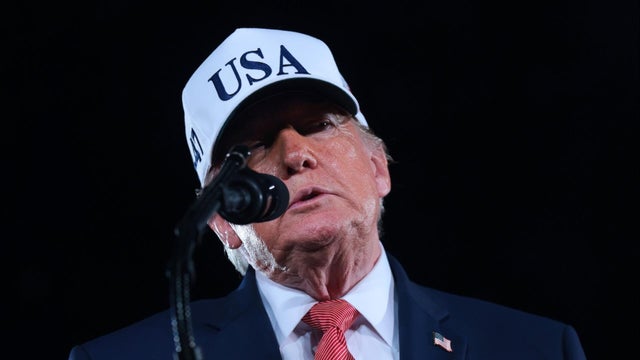
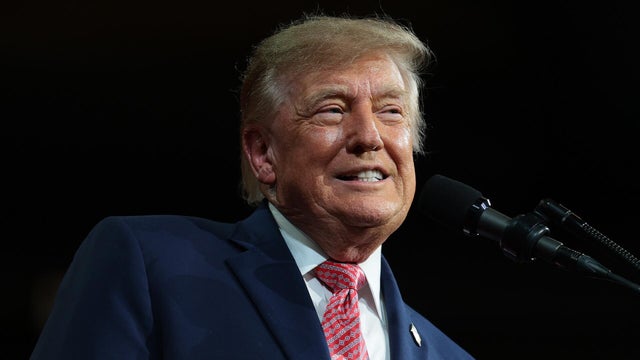
President Trump met with tech leaders Tuesday at the White House, where the group floated a "self-policing" strategy for AI, drawing backlash from critics. Ed O'Keefe has the latest.

3h ago (02:23)

TRANSCRIPT FOR: “AI LEADERS AGREE TO POLICE THEMSELVES AFTER WHITE HOUSE MEETING”

ED O'KEEFE:
00:00:36

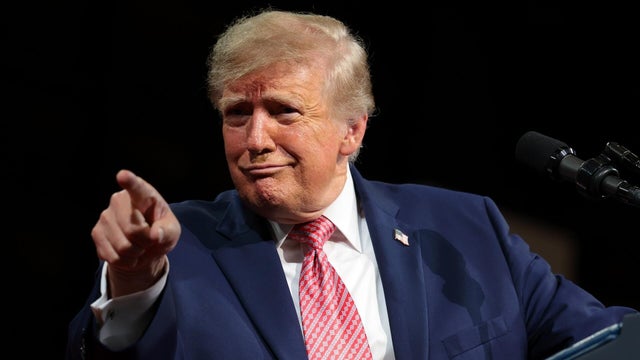
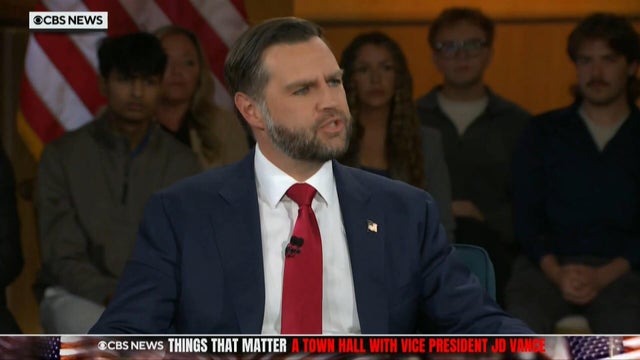
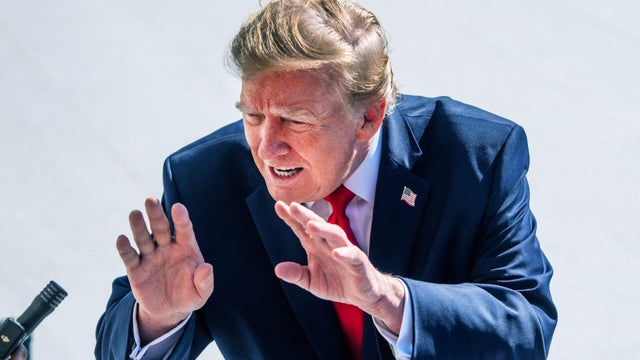
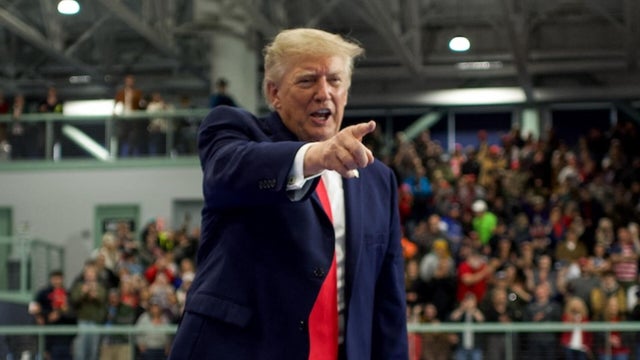
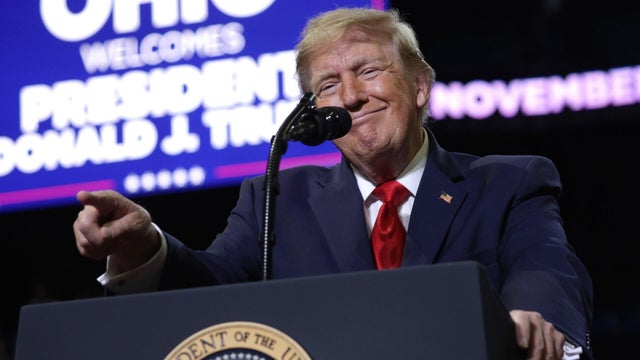
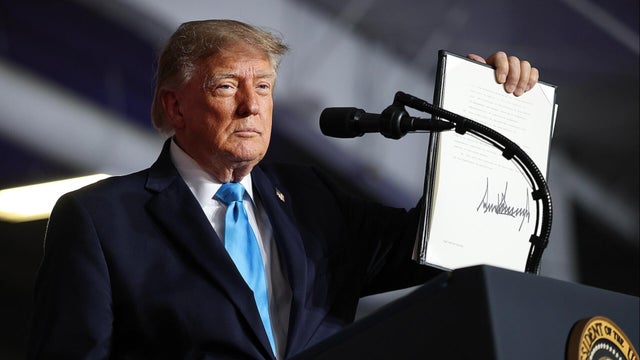
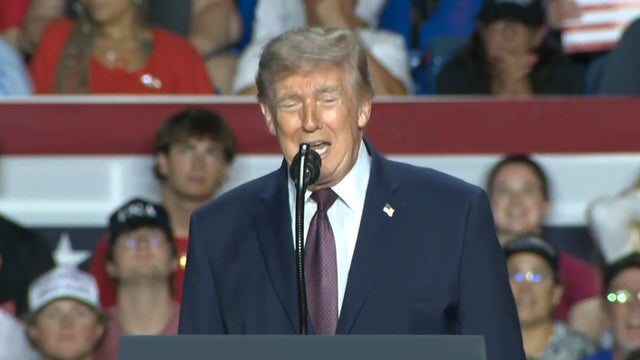
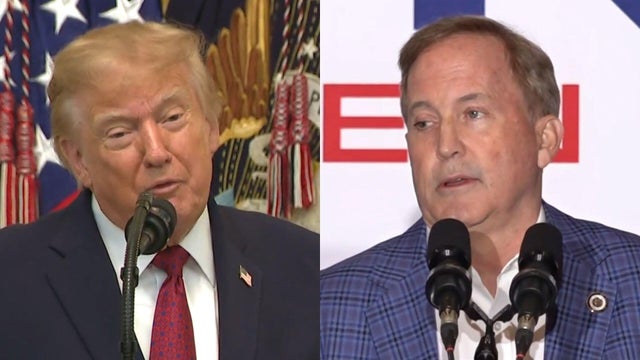
The world's most influential tech and AI leaders at the White House for an unprecedented gathering. In Washington for a daylong meeting on the future of AI and other technologies, these Titans of the world's fastest growing and potentially most dangerous industry lunched with the president, vice president and House Speaker Mike Johnson, and afterward faced the press, announcing a new set of voluntary safety standards. The biggest people in the world signed that, and I signed it as president, and it really is a form of protection.

ED O'KEEFE:
00:01:06

The leaders of Anthropic, Google, Meta, NVIDIA, OpenAIand xAI signed on, committing to four layers of controls and audits, both internal and external. Over time, it may make sense to codify these steps into laws or regulations. I think what we can all agree on is that the American public and our customers want to know that what we're building is working in the way that we all intend.

ED O'KEEFE:
00:01:30

But Anthropic CEO Dario Amodei, who has raised the loudest concerns about the dangers of AI and wants more government intervention, expressed caution. As the president has said, whoever wins AI, wins. I think that's very important. But I think the technology has very real risks. And the mechanism, how we address those risks is still under discussion.

ED O'KEEFE:
00:01:51

The president and speaker dismissed more government regulation of the AI industry, but Democrats are pushing for more action to ensure safety. Trump doesn't worry about rogue AI, but the American people certainly do. The president also said he discussed the construction of data centers with the AI leaders, saying he still wants to see them built in the US, but away from homes. He suggested companies building data centers could provide even more economic incentives to the communities where they're being built, such as dividends to residents or bonuses for local school teachers. Nate? All right, Ed, thank you.

Videos
View CBS News In
CBS News App Open
Chrome Safari Continue