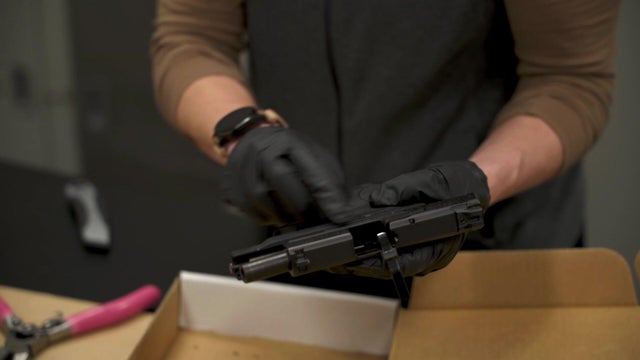
Law passed following WCCO investigation requires police to trace crime guns
The law requires agencies in Minnesota to trace crime guns. And to check an often overlooked box to share that trace information state-wide.
Watch CBS News

Jennifer Mayerle happily returned to Minnesota and WCCO, where she began her career as a summer intern. The Emmy and Edward R. Murrow award-winning journalist returned to WCCO as a reporter in 2014 and later also anchored WCCO Saturday Morning for 6 years. Then in early 2024 she focused on her new role as Senior Investigative Reporter.
Jennifer likes to tell stories that positively impact the community. Her investigations have exposed gaps in law, prompted federal and state Attorney Generals investigations, launched legislative hearings and the passage of state laws designed to protect people while holding businesses and people accountable.
In 2019, Jennifer began her yearslong investigation into Water Gremlin's manufacturing plant with a history of pollution, which led to Minnesota's notable status as the first state in the country to ban the toxic cancer-causing chemical TCE. Her investigation documented the migration of lead into worker's homes and the poisoning of children, which forced the state to order the temporary shutdown of the plant and ultimately court oversight of its operations. Water Gremlin filed for bankruptcy in 2023 following many lawsuits accusing the plant of causing cancer, chronic illness and wrongful death.
Jennifer led the team that won an Emmy for the groundbreaking special "State of Policing." The killing of George Floyd provoked widespread outrage and demands for changes in policing. This special brought together law enforcement and the community for remarkably candid, informed discussions and an in-depth look at how training has evolved to meet demands for transparency and accountability.
Her ongoing series "Cost of Gunfire" explores the true cost to the persons, families and community. Stories focus on those who survived, as well as the trauma endured by family and loved ones, the doctors and nurses who work to save lives, and community members who witness the aftermath of gunfire and offer hope and healing to those affected.
Jennifer was on the 'CCO news team recognized with a regional Murrow award for its coverage of the Jacob Wetterling case. It marked the end of the mystery of who took the 11-year-old St. Joseph boy 27 years earlier.
She has also been recognized in Minnesota with numerous other awards. She felt particularly honored by her Murrow for Spreading Kindness: the uplifting story of a young girl with cancer who, along with her sisters, formed a friendship with their garbage men, exchanging greetings on their arrival with signs, happy waves, excitement and smiles.
Just prior to joining WCCO, Jennifer worked at CBS in Atlanta, where she was recognized for excellence in reporting and for community involvement. Her in-depth look at the long-lasting impact of concussions and repeated hits to the head to athletes from youth to the pro level helped prompt Georgia legislators to pass The Return to Play Act, a law designed to protect young athletes.
In 2011 she reported on Ann Bartlett, a woman who died in a house fire due to the failure, as Jennifer discovered, of firefighters to respond to her 911 call. Her reports were recognized with an Emmy, a Murrow and a Georgia Associated Press award.
On a related note, her highly publicized series of reports on counterfeit fire alarms purchased by Atlanta Fire Rescue for distribution to low-income residents prompted an FBI investigation, which forced the department to recall and replace more than 18,000 alarms. Immediately after, one of the replacement detectors alerted and saved a family of six from a fire that destroyed their home.
During her time in Atlanta, she did occasional reports on The Insider and CNN and contributed profiles of prominent individuals to The Atlantan monthly magazine.
Prior to Atlanta, Jennifer worked as a weekend anchor/reporter for WKRG in Mobile, Ala. There she gained international exposure for her coverage of Hurricane Katrina. She won her first Emmy and Murrow for her interview with Hardy Jackson in Biloxi, Mississippi just hours after his wife was swept from his grasp by the flood waters. It was one of the first stories of human suffering to emerge from Katrina's wreckage. Jennifer and Hardy became friends, and she maintained her connection to Hardy until his death in 2013.
Jennifer began her career at KWES in Midland, TX, as a weekend anchor/reporter.
Jennifer enjoys her work with community. She is a mentor with Minnetonka High School's VANTAGE program and is on the Advisory Council for Assistance League of Minneapolis St. Paul. She also volunteers as an emcee, speaker and judge for nonprofits and at special events.
The law requires agencies in Minnesota to trace crime guns. And to check an often overlooked box to share that trace information state-wide.
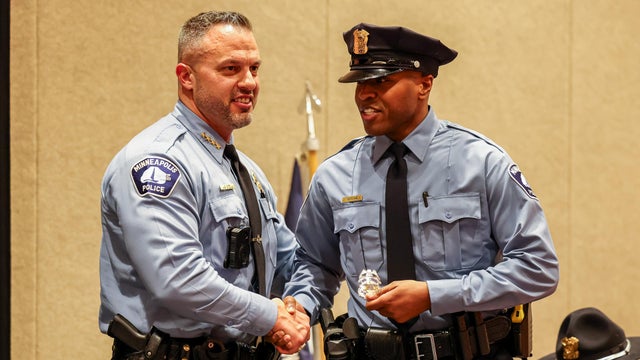
A year after Minneapolis police officer Jamal Mitchell was killed in the line of duty, family honor and remember the fallen hero.
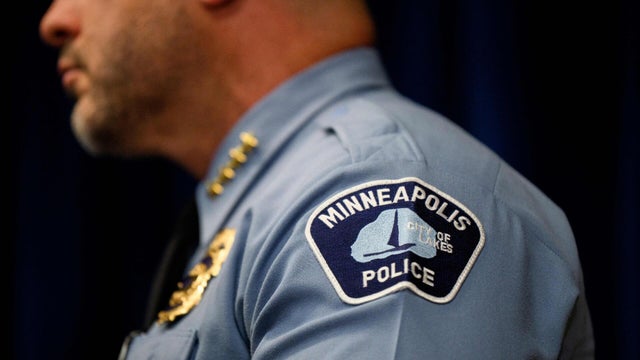
In 2022, we brought together police chiefs for a candid conversation about policing and use of force as part of a WCCO special. Jennifer Mayerle sat down with the departments recently to talk about the State of Policing today, 5 years after the events of 2020.
Minnesota's red flag law is designed to take guns out of the hands of people in a moment of crisis. In year one, 138 petitions were filed for people who wanted to die by suicide or hurt someone else.
A bill passed this legislative session will require police in Minnesota to start tracing all guns recovered from crime scenes.
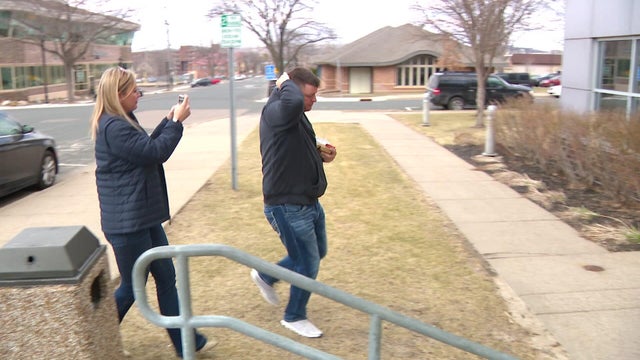
The pool contractor at the center of a WCCO investigation recently turned himself in to jail, and WCCO was there.
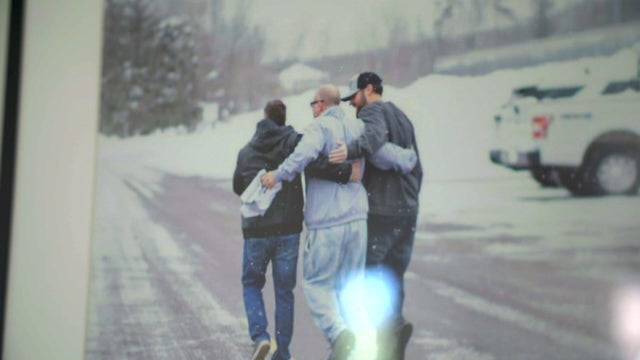
"It means that justice will be delayed," said Executive Director of the Great North Innocence Project Sarah Jones. The organization works to free wrongfully convicted people.
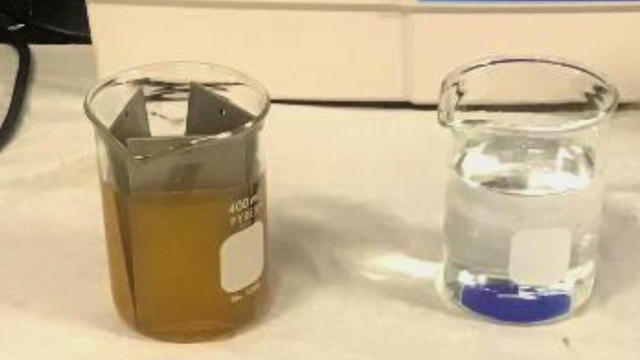
The earliest the EPA ban could begin is June, but it's expected to be delayed. If it goes into effect, the federal ban will supersede Minnesota's statewide ban.
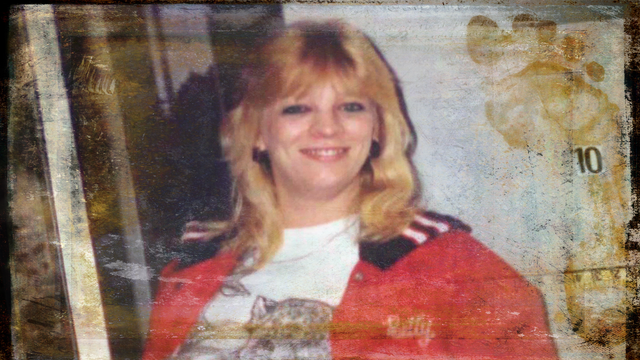
After 26 years, a fresh set of eyes and DNA technology spurred a break in the case of a woman's brutal Minneapolis murder.

Forensic investigative genetic genealogy, social media and good old-fashioned police work ultimately led to the killer.
The mother of a teenager who donated his eyes and tissue after death is now directing a play as a way to raise awareness about being a donor.

The proposal comes less than a year after a WCCO investigation into tracing crime guns through the Bureau of Alcohol, Tobacco, Firearms and Explosives' National Tracing Center.

Law students are working pro bono on real Second Amendment cases through the attorney general's office, serving as special assistants. And for many, the work is personal.
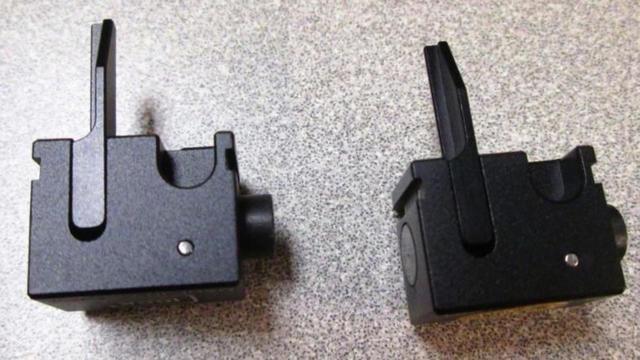
There's a growing number of guns being converted into machine guns. Here's why it matters: When someone opens fire with a machine gun, it has the ability to cause more damage, and impact more lives.
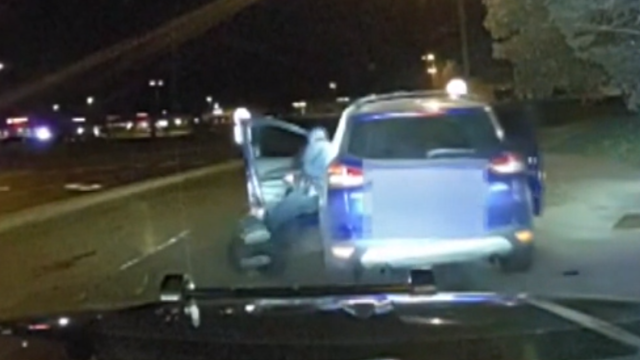
The suspect teared up and apologized, admitting he made a horrible choice and saying the officers saved his life.