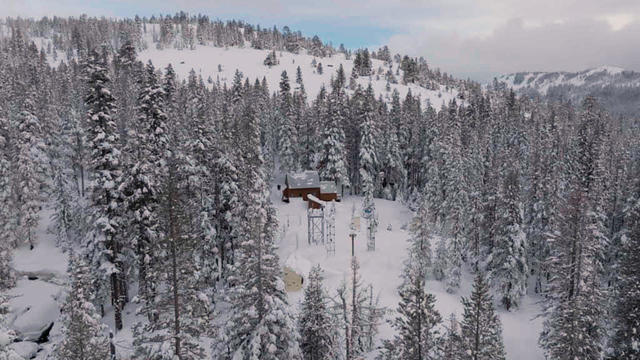
Climate change is making winter weather warmer and "weirder"
Average winter temperatures across most of the country are on the rise, putting water resources at risk and threatening cold weather culture in the era of climate change.
Watch CBS News

Average winter temperatures across most of the country are on the rise, putting water resources at risk and threatening cold weather culture in the era of climate change.
Average winter temperatures across most of the country are on the rise, putting water resources at risk and threatening cold weather culture in the era of climate change.
Average winter temperatures across most of the country are on the rise, putting water resources at risk and threatening cold weather culture in the era of climate change.
Average winter temperatures across most of the country are on the rise, putting water resources at risk and threatening cold weather culture in the era of climate change.
Average winter temperatures across most of the country are on the rise, putting water resources at risk and threatening cold weather culture in the era of climate change.
Average winter temperatures across most of the country are on the rise, putting water resources at risk and threatening cold weather culture in the era of climate change.
Average winter temperatures across most of the country are on the rise, putting water resources at risk and threatening cold weather culture.
Average winter temperatures across most of the country are on the rise, putting water resources at risk and threatening cold weather culture in the era of climate change.
Average winter temperatures across most of the country are on the rise, putting water resources at risk and threatening cold weather culture in the era of climate change.
Average winter temperatures across most of the country are on the rise, putting water resources at risk and threatening cold weather culture in the era of climate change.
Average winter temperatures across most of the country are on the rise, putting water resources at risk and threatening cold weather culture in the era of climate change.

Renewable sources of energy will account for 24% of the nation's energy in 2023, more than double what it was a decade ago.

The levels of carbon dioxide in the earth's atmosphere have exploded in the past 65+ years. CBS national environmental reporter David Schechter and his producer Chance Horner traveled to the Chabot Space and Science Center in the Oakland hills.

To deal with climate change and air pollution, you have to really understand where it is coming from. One Bay area company is pioneering the mapping of pollution and carbon dioxide levels in a hyperlocal way.
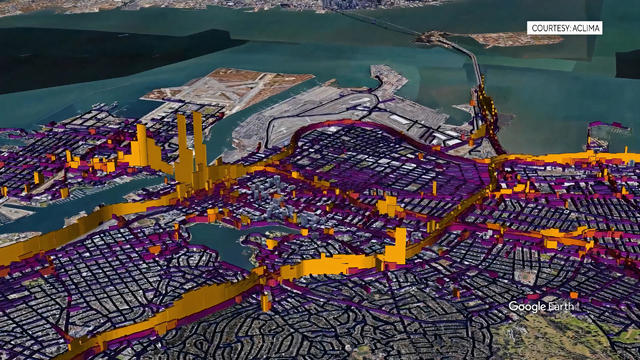
It's one of the most powerful forces warming the Earth, leading to increasingly severe droughts, wildfires and floods. It's also invisible. So how do we see start seeing carbon?