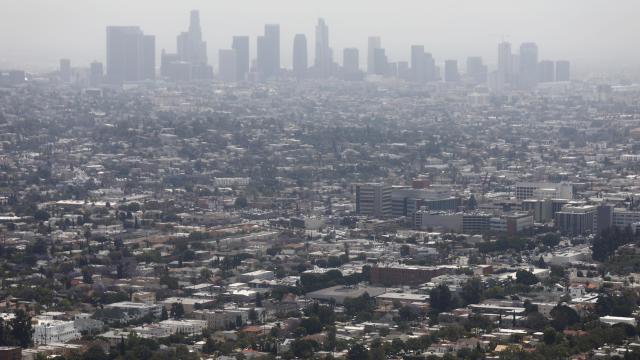
Air quality has been horrible this year — and not just due to wildfire smoke
Smoke from wildfires is not the only reason for poor air quality this year. It turns out, those wildfires created another kind of pollution: Ozone.
Watch CBS News

Smoke from wildfires is not the only reason for poor air quality this year. It turns out, those wildfires created another kind of pollution: Ozone.
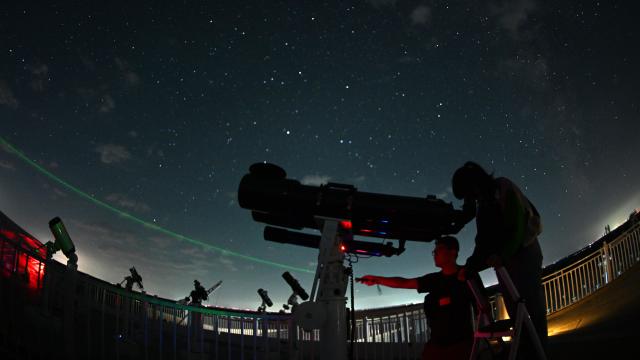
The national push for more efficient lighting is driven by a quest for energy efficiency. But there's an unintended consequence: light pollution.

It's universally recognized as a sign to recycle. But the EPA is now saying it's also universally confusing, since many plastics can't easily be recycled.
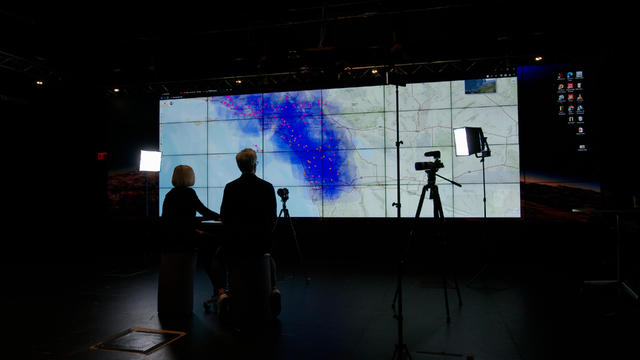
As more people across the country are seeing the impact of wildfires and smoke, scientists are turning to the promise of big data, technology and collaboration to keep big fires from spreading.
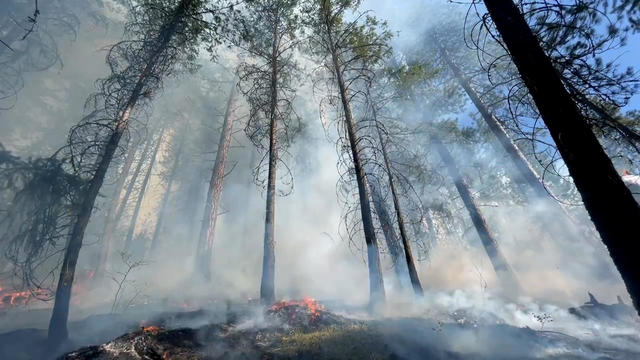
Years of keeping fire out of America's forests led to a buildup of dead trees and brush — fuel for today's larger, hotter, more lethal wildfires.
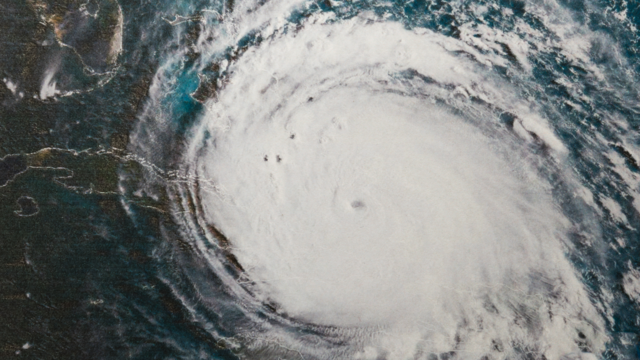
Science tells us there's a connection between hurricanes and climate change. But how strong is it? And what can we expect for the future?
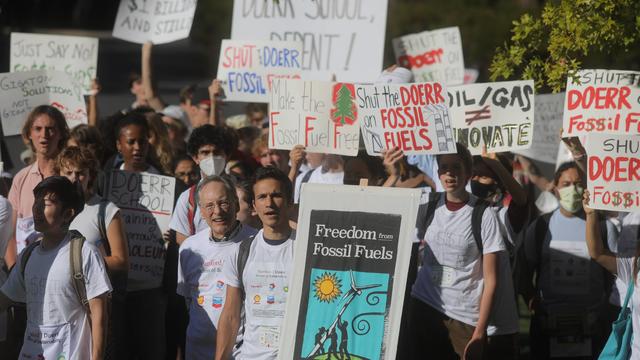
Climate change initiatives by universities sometimes mask their financial ties to Big Oil. Students are demanding change.
Climate change initiatives by universities sometimes mask their financial ties to Big Oil. Students are demanding change.

Thirty percent of Americans live in a community near a coastline. While those people don't have the power to unilaterally solve the underlying problem of climate change, some communities are now grappling with how to adapt.
Thirty percent of Americans live in a community near a coastline. While those people don't have the power to unilaterally solve the underlying problem of climate change, some communities are now grappling with how to adapt.
Thirty percent of Americans live in a community near a coastline. While those people don't have the power to unilaterally solve the underlying problem of climate change, some communities are now grappling with how to adapt.

Research shows most youth are "extremely worried" about climate change. Kids and young adults who struggle with climate anxiety can perceive they have no future or that humanity is doomed.
Research shows most youth are "extremely worried" about climate change. Kids and young adults who struggle with climate anxiety can perceive they have no future or that humanity is doomed.
Research shows most youth are "extremely worried" about climate change. Kids and young adults who struggle with climate anxiety can perceive they have no future or that humanity is doomed.
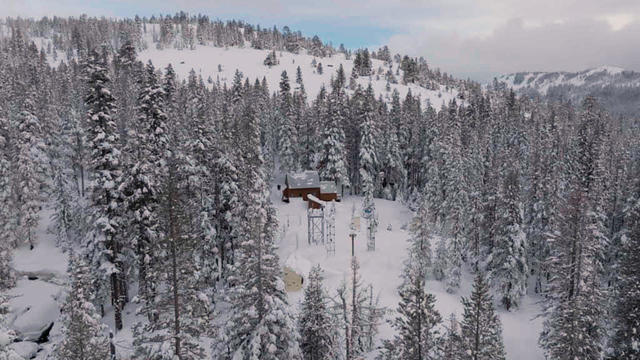
Average winter temperatures across most of the country are on the rise, putting water resources at risk and threatening cold weather culture.