CBS
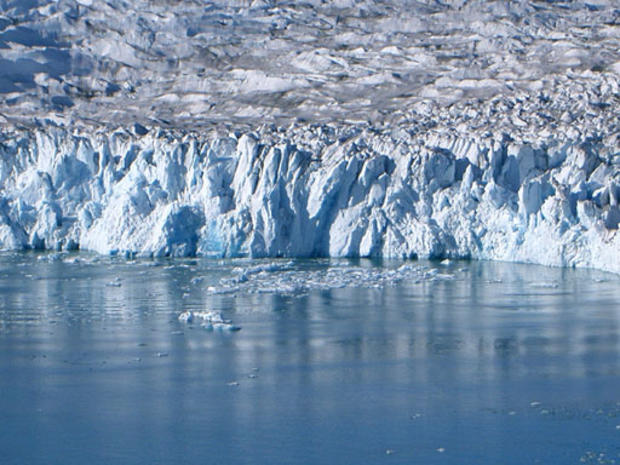
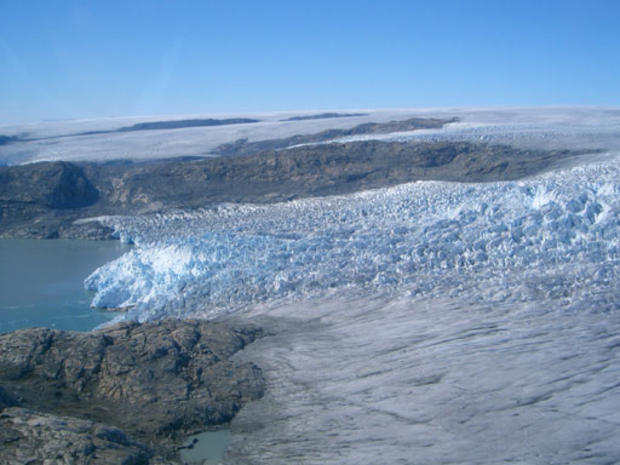
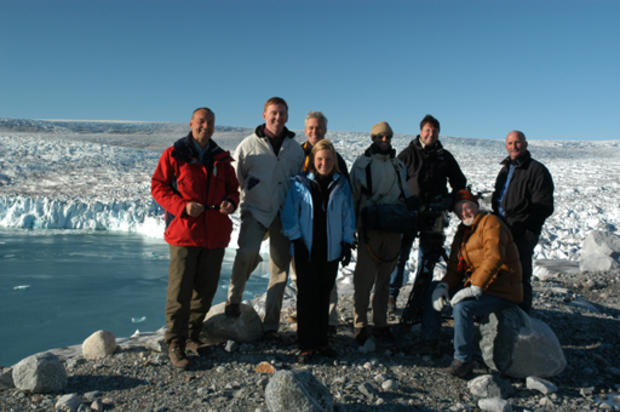
In August 2005, Scott Pelley and his team from 60 Minutes traveled to Iceland, Greenland and Canada for a report on the effects of global warming. What follows are some behind-the-scenes pictures on what the team encountered on their travels. Associate Producer Catherine Herrick explains this shot is a 10-story high piece of Greenland's ice sheet. The team watched as fresh pieces of ice fell into the water.
CBS
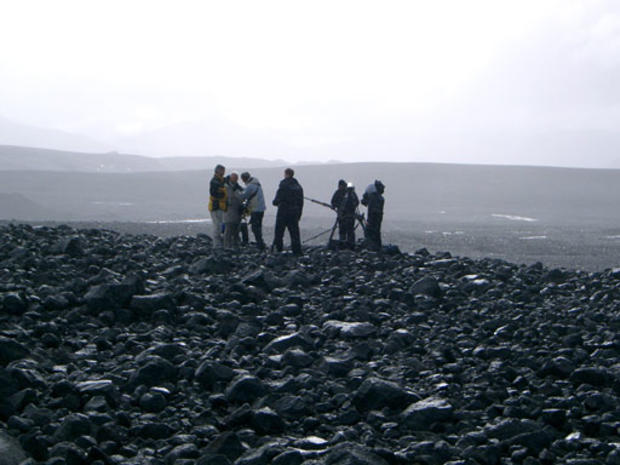
In Iceland, atop Europe's second largest glacier, the team attempted to interview scientist Bob Corell. The shoot was moved when a weather front rapidly swept across the glacier.
CBS
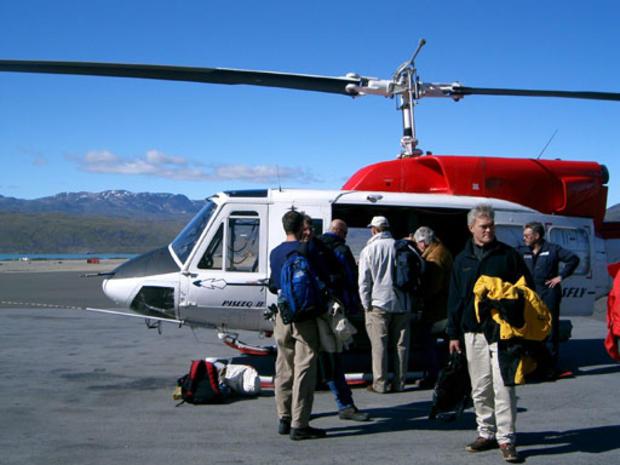
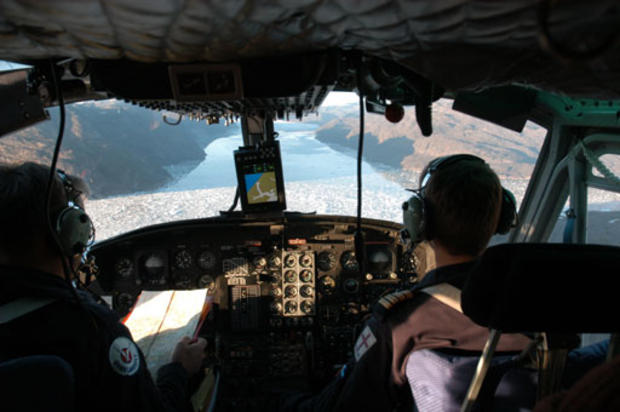
The 60 Minutes team flew by jet from Reykjavik, Iceland, to Greenland. From there, the only option to get to the ice was via helicopter. Herrick says the team flew over hundreds of miles of ice, without any evidence of human existence.
CBS
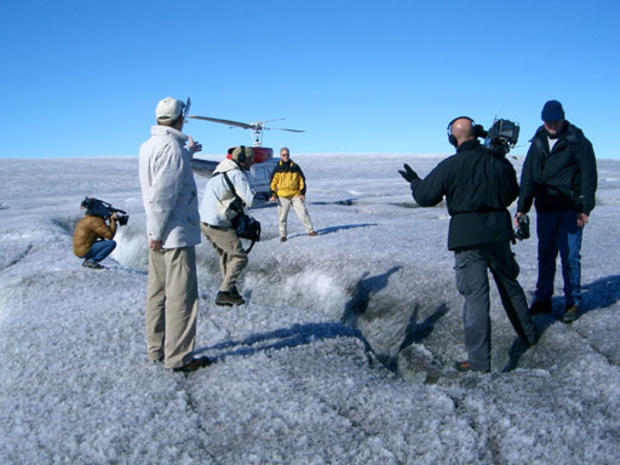
Here the team prepares to shoot an interview with scientist Carl Boggild on top of the ice in Greenland. Boggild had coordinates to one of his research stations -- when they landed, it turned out the station had moved.
CBS
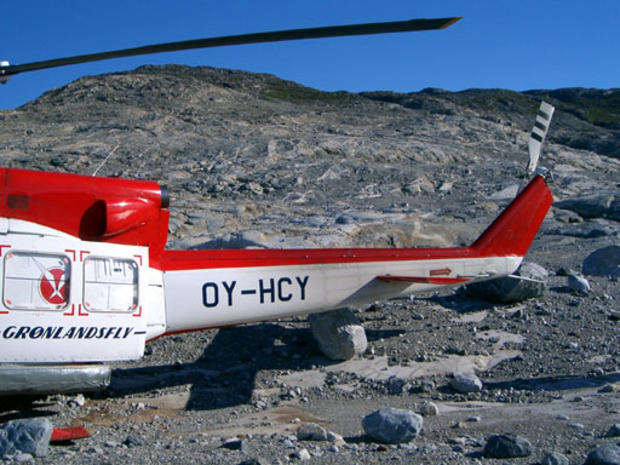
The pilots land at any feasible spot, even if there's a rock right under the tail.
CBS
Flying over Greenland's massive ice sheet in a helicopter.
CBS
A breathtaking view of one of Greenland's mountains, taken from the team's helicopter that was returning to base.
CBS
Taking off from Narsarsuaq in southern Greenland.
CBS
The team from 60 Minutes, with scientist Carl Boggild. From left to right, Carl Boggild, Bill Owens, Scott Pelley, Catherine Herrick, Kevin Daughtry, Eddie Jones, Bob Eyres (seated) and Dennis Dillon.
CBS
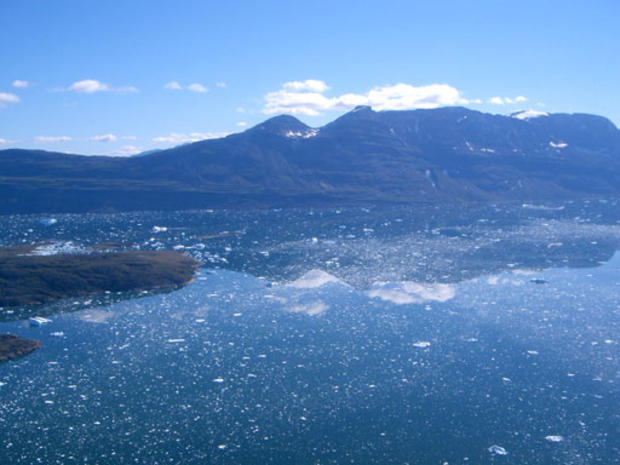
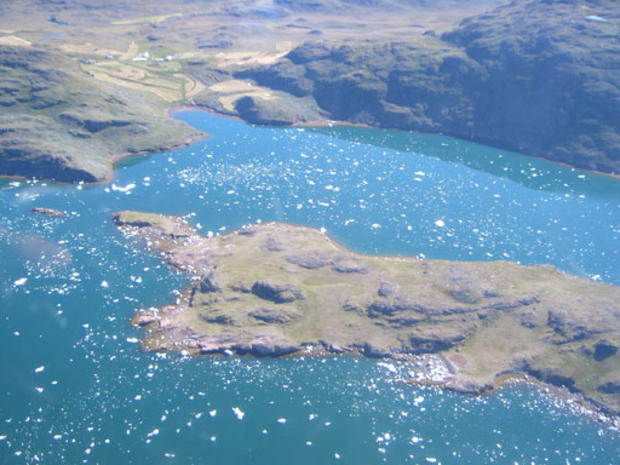
Flying over the fjords of Greenland.
CBS
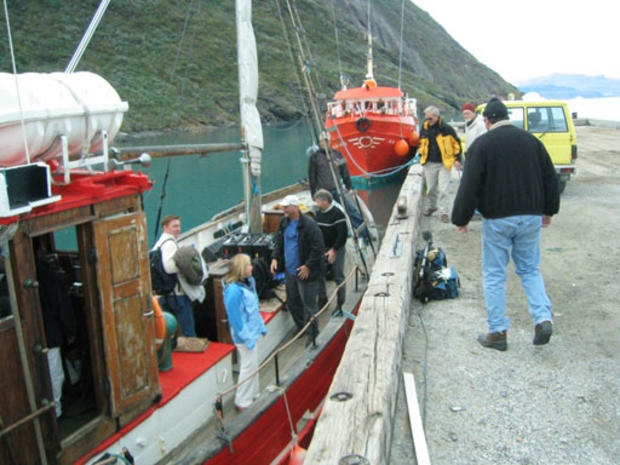
The team also traveled around Greenland's fjords by boat, in this case an old fishing boat. They were joined on this trip by scientist Paul Mayewski.
CBS
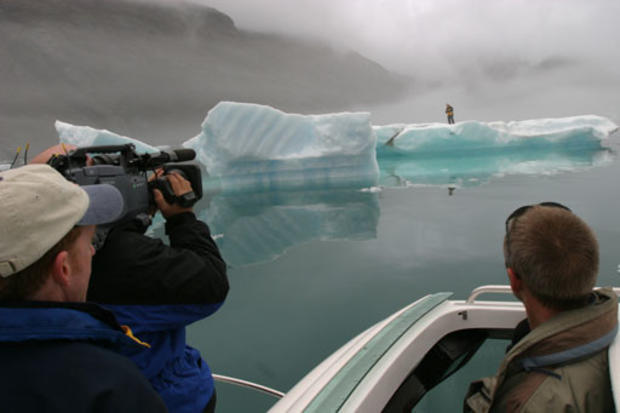
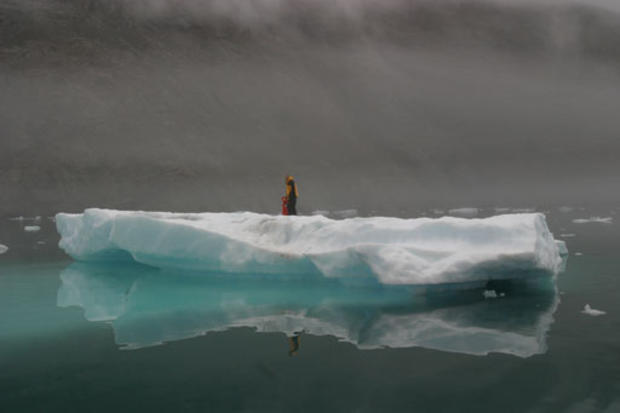
On their last day in Greenland, the team ventured far into the icebergs. Here, the crew prepared to shoot a "stand-up" of Scott Pelley, standing atop a floating iceberg.
CBS
Four minutes after he got off the berg, part of the ice caved in.
CBS
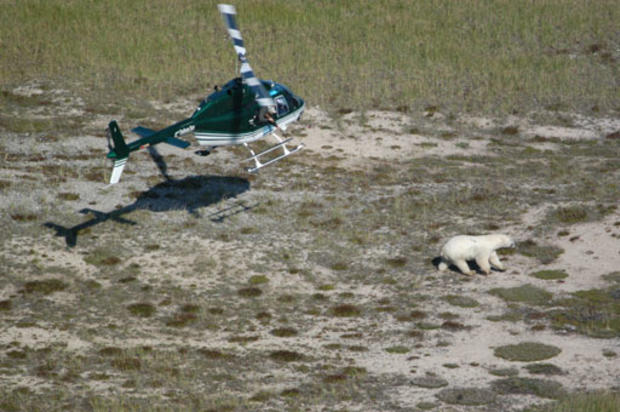
Scientist Nick Lunn, who was also interviewed for this story, keeps track of polar bears in western Hudson Bay, Canada. In order to get close to the bears, they must first be tranquilized. It's not an easy task -- bears are fast and fierce -- so a helicopter comes in handy.
CBS
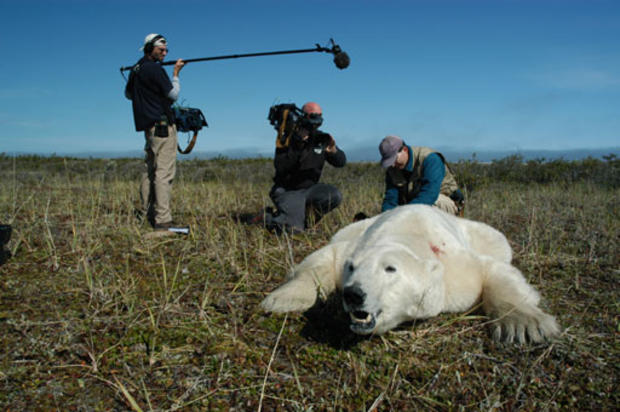
Once safely sedated, Lunn and the crew dare get closer to the animal for a check-up. Herrick, who also observed the bear from up close, says the bear stayed sedated for about two hours before regaining full consciousness.