LIRR strike imminent as negotiations with MTA go down to the wire

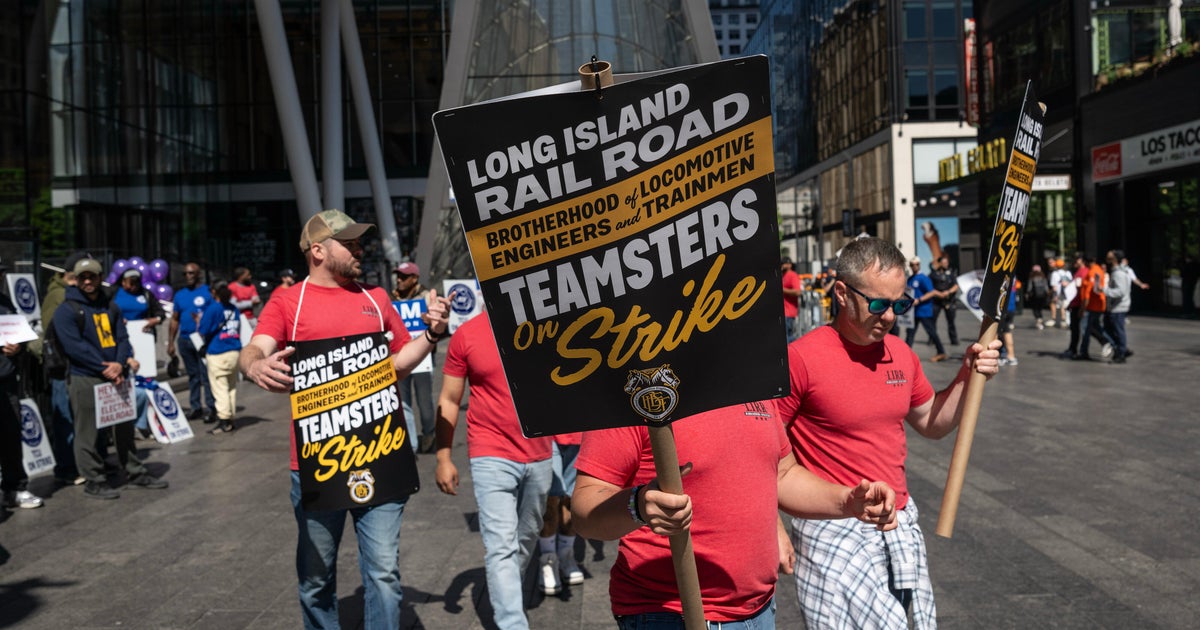
Editor's note: LIRR workers officially went on strike at 12:01 a.m. Saturday. Click here for our coverage.
The clock is ticking to avert a Long Island Rail Road strike as the MTA and union leaders have been in deep negotiations all day Friday to make a deal before the midnight deadline.
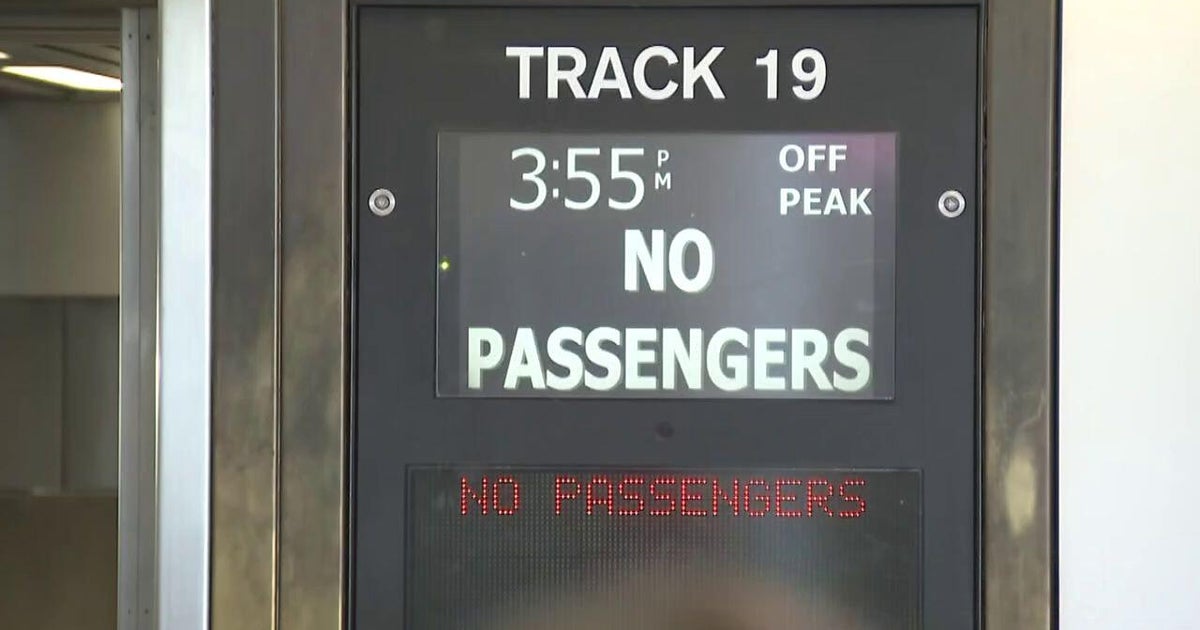
The coalition of five unions representing LIRR workers said they are prepared to walk off the job at 12:01 a.m. Saturday without an agreement, which would stop train service for hundreds of thousands of commuters.
We're told union leaders were reviewing the MTA's latest proposal, which was presented to them just before 7 p.m., and they are likely to counter.
Mayor Zohran Mamdani said New Yorkers should "prepare for heavier-than-usual traffic, crowded transit options and additional travel time," if the strike begins.
"City Hall and agencies across the administration are actively coordinating preparedness and contingency efforts to help maintain continuity for commuters and support New Yorkers as conditions evolve," Mamdani said.
LIRR riders have been hoping the deadline pressure may be what's needed to get a deal done and keep the trains moving.
"Anybody who comes in for work on a daily basis during the week, they're gonna be screwed, honestly," said Mike Olita. "They really should reach a deal."
"It's just going to a mess. It's going to be an absolute mess," said Lucas Zito.
"Today is D-Day"
Friday morning, LIRR union leadership blamed the MTA for cutting Thursday's negotiations off short. Union and MTA negotiators spent roughly 12 hours at the bargaining table Thursday, but were unable to reach a deal.
"Today is D-Day, shall we say," union rep Kevin Sexton said.
The sticking point remains the compensation for the fourth year of the contract. Both sides have agreed on a 9.5% raise for three years. The MTA offered a 4.5% lump sum payment for the current year, which the union rejected as a "one-time gimmick."
"There's been proposals going back and forth between the parties. There's been movement," Sexton said. "I can't go into further details for obvious reasons, right? We're going back and forth. Like I said we're gonna give it our best guys. We want everybody to know that. We are doing everything in our power to prevent a service disruption. We just need a willing partner."
Sexton said it was unlikely the strike deadline would be extended.
"She could end this in five minutes"
Gov. Kathy Hochul called into the negotiations Friday.
"Governor Hochul called into this morning's negotiations with one simple message: getting a deal requires both sides to work together, including labor. Nobody wins in a strike - riders will suffer and thousands of workers will lose out on wages they need," a Hochul spokesperson said.
TWU International President John Samuelsen said Hochul could end the strike threat.
"She could end this in five minutes," Sameulsen said. "She is literally the side that is not settling."
Samuelsen said a strike will be very bad for commuters.
"This is going to be chaos, and overcrowding, and ugliness. And it's all avoidable," Samuelsen said.
Contingency plans in place
That means hundreds of thousands of customers who rely on LIRR service are making their own plans
The MTA has released its contingency plans outlining what LIRR commuters should do in the event of a strike, which include running shuttle buses to the Jamaica-179th Street and Howard Beach-JFK Airport stops. NICE buses will have extra buses as well, and parking lots at Nassau County parks can be used for carpooling.
Click here for a more detailed look at the various contingency plans.
Comptroller estimates strike will cost $61 million a day
The stakes are high. New York State Comptroller Tom DiNapoli said the strike could cause $61 million lost economic activity each day.
"A LIRR strike will be felt far beyond the tracks, triggering the loss of millions of dollars per day in lost economic activity, disrupting thousands of riders and throwing the region's transit service into chaos and gridlock," DiNapoli said. "I urge the Metropolitan Transportation Authority and its union partners to expedite reaching a reasonable settlement so we can avoid the widespread disruption of a strike."
Some 250,000 riders take the LIRR every day. DiNapoli's office estmates the strike's economic impact will grow as Memorial Day gets closer, and will disrupt people trying to go to Broadway shows, or out to the Hamptons, Fire Island, Montauk and more. Commuters watch, wait and make plans
Commuters are fretting over their options
"I live in Queens, so I'm going to look at the QM buses and see what comes closest into the city, and then just take a train from there," one person said.
"I don't know. I guess not everyone can work without them," said another.
"No railroad? Probably won't work. I can't driver here, it's too much money. So I don't know what I would do, actually," Kenny Rosario said.
Stranded commuters will pack into county parks across Long Island to carpool.
"Tens of thousands of Queens residents use the Long Island Rail Road as their preferred method of public transportation on a daily basis, especially in the eastern half of the borough where subway service is nonexistent. Meanwhile, major Queens venues like Citi Field and Forest Hills Stadium rely on the LIRR to not only transport patrons to and from their sites, but to help reduce congestion on area streets and local mass transit lines. Should a strike materialize, it would prove detrimental to the daily lives of our neighbors and the economy of our borough in numerous ways," Queens Borough President Donovan Richards said. "I strongly encourage the leads of both the MTA and the LIRR workers' union to debate in good faith and remain at the negotiating table until a deal has been secured — one that ensures employees are fairly compensated and commuters are not left waiting on the platform for a strike to end."