Vaccines for poor nations could save millions of lives: Study
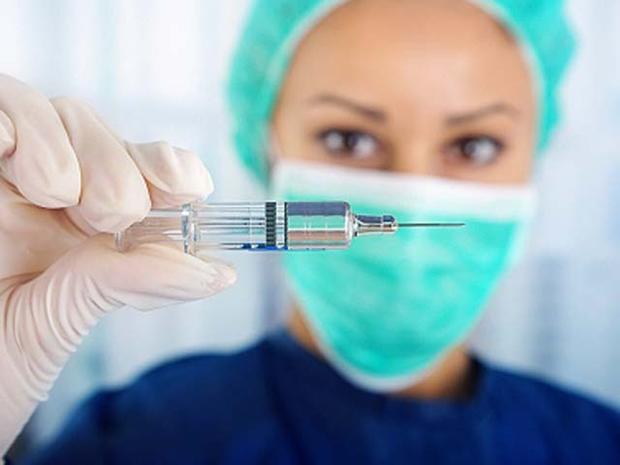
(CBS) Six million. That's how many lives could be saved if the world's poorest countries did a better job of vaccinating their citizens against preventable diseases like tetanus, measles, whooping cough, and influenza.
In addition to those lives, experts say that if 90 percent of children were vaccinated in the 72 poorest countries, it could save over $150 billion in treatment costs. The studies are published in the journals "Health Affairs" and "The Lancet."
But there's one problem. These countries can't afford the vaccines, according to a study by the Global Alliance for Vaccines and Immunisation. Authors of that study say poor nations need private donors to foot the bill. The donor-funded organization is holding a conference in London next week to raise $4 billion to fund vaccination programs in impoverished countries.
But that might not be enough. Experts estimate bringing a new vaccine to market can cost up to $1 billion.
"They have to recoup their research and development costs in order to be able to maintain their ability to make vaccines and deliver them to the world" study author Dr. Richard Moxon, head of molecular infectious diseases at Oxford University, told Australia's ABC News.
That's where private donors come in.
"World leaders have to find the funds, the private sector has to supply the vaccines at special discount prices, and developing world governments have to prioritize the delivery of vaccines, through their national health services, to help millions more children survive." Justin Forsyth, the chief executive of the charity Save the Children, told BBC News. GAVI estimates meeting its $4 billion dollar goal would save four million lives by 2015.
Can such measures really make a difference? History says yes. The World Health Organization's 1979 smallpox eradication campaign cost about $100 million and has since saved the world some $1.35 billion a year. And GAVI says it has prevented more than 5 million child deaths in the last decade, and hope this next wave of funding will reach another 240 million children.
The World Health Organization has more on vaccines.