U.S. probing whether Chinese companies cut production of shipping containers before COVID pandemic



Federal authorities are examining whether Chinese companies deliberately restricted the world's production of storage containers for the shipping trade just before the COVID-19 pandemic began six years ago, sources with knowledge of the probe told CBS News.
Investigators have been looking at a handful of Chinese firms that together control the majority of unrefrigerated shipping container manufacturing around the globe, the sources said.
The companies in late 2019 slowed production by restricting the number of hours employees worked, which the investigators believed indicated a conspiracy to cut global supply and inflate prices, two of the sources said.
Spokespeople for the Justice Department didn't immediately comment.
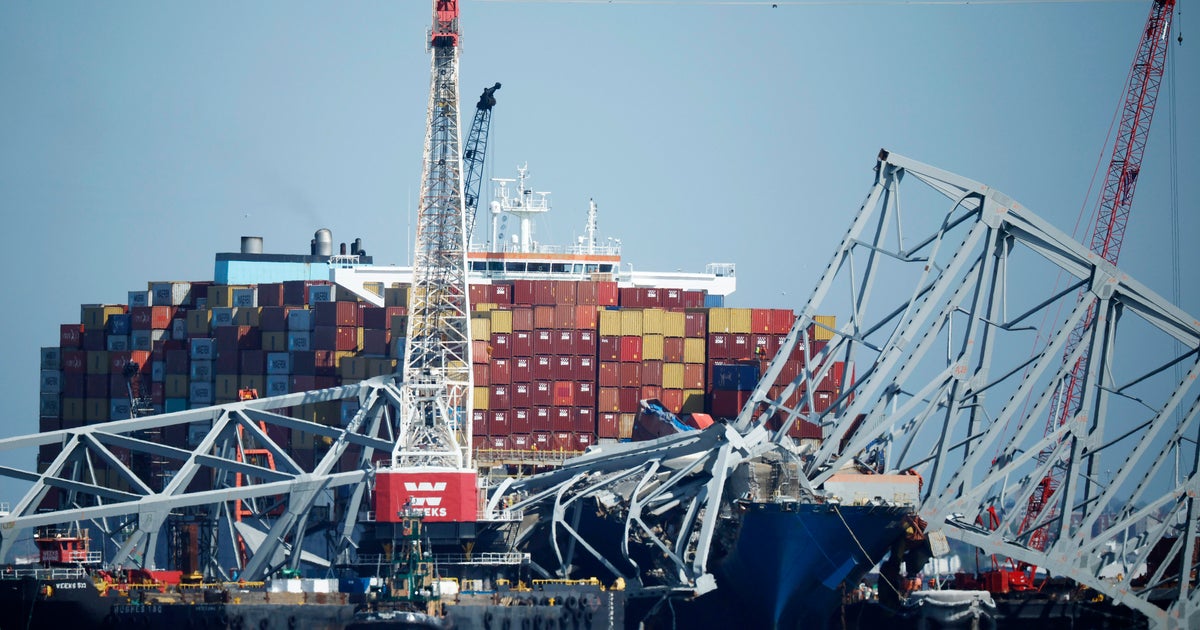
The companies' alleged moves came just before the global supply chain came under enormous strain.
China reported the first cluster of COVID-19 cases in December 2019 and the outbreak spread in early 2020.
According to the U.S. International Trade Commission, in the second half of 2020, the number of shipping containers in circulation was "insufficient to meet customer storage demands and higher than anticipated consumer demand for imports." The commission said that "unexpected recovery in demand shocked the distribution system."
In the first half of 2020, demand for containers dropped, as did orders for new container production, according to the ITC. During this period, some containers were used for long-term storage. In the second half of the year, U.S. demand for container-shipped imports grew more rapidly than expected and also exceeded the demand for eastward-bound U.S. exports, the ITC reported. At the same time, shipping activity was outpacing container manufacturing.
Alexis Jacobson, testifying on behalf of the U.S. Forage Export Council, told Congress in June 2021 that during this period, ocean carriers were sending containers back empty "to allow for a quicker turn around for more import cargo back to the United States."
Several Chinese executives have been indicted, two of the sources said. The Department of Justice was expected to unseal the indictment Tuesday.
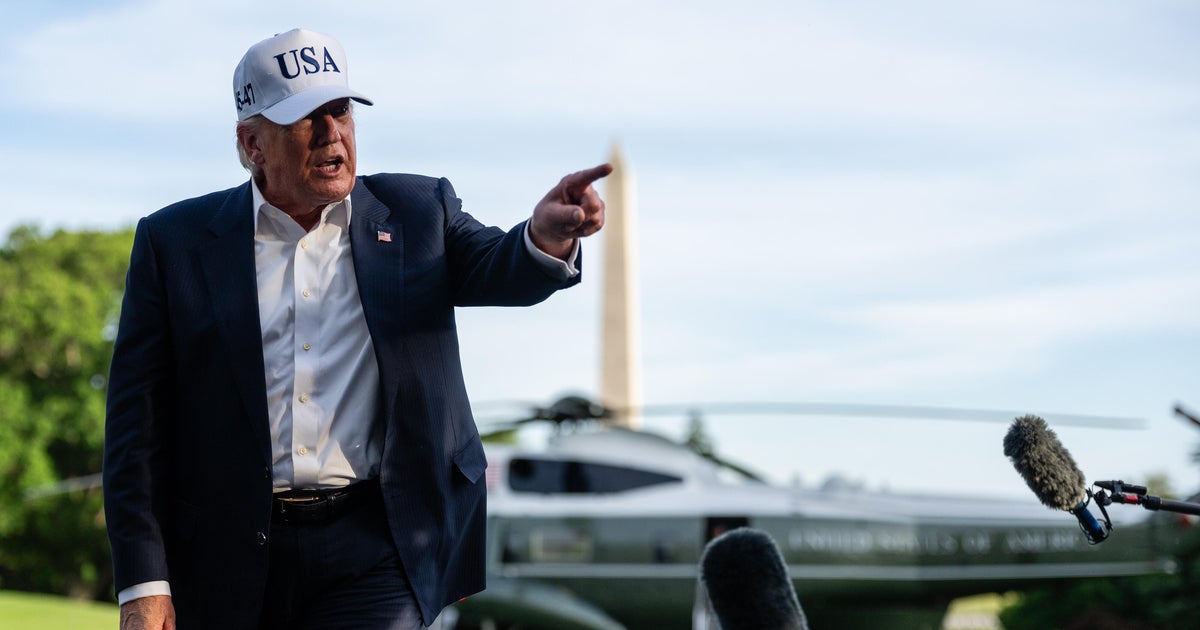
The action comes days after President Trump returned from Beijing for the first presidential visit to China since 2017, when Mr. Trump visited during his first administration.
Though the trip was short on major breakthroughs, the president touted "fantastic trade deals." He announced an agreement by China to purchase at least 200 Boeing aircraft, more U.S. oil, as well as more soybeans and other agricultural products.
Xi said that during the summit, he and Mr. Trump reached "common understandings on maintaining stable economic and trade ties" and on expanding cooperation, according to Chinese state news agency Xinhua.
Sources told CBS News that one of the Chinese container manufacturing executives was taken into custody in France about three weeks ago and remains in detention. Officials intend to have him extradited to the United States.
Trump administration officials sought to keep the case from becoming public until after the president's summit, two of the sources said.
COVID-19 investigations
Several U.S. attorneys' offices, including the one in Maryland, have been conducting investigations related to the origins of the pandemic, according to a source with direct knowledge of the matter.
Last month, the first COVID-19 origins case emerged, after federal prosecutors in Maryland secured an indictment against David Morens, a former National Institute of Allergy and Infectious Diseases employee who is accused of trying to evade Freedom of Information Act requests in connection with COVID-19 research grants. He has pleaded not guilty.
The origins of COVID-19 have long been a topic of interest to Mr. Trump and his allies, who claim that the National Institutes of Health used taxpayer dollars to fund research out of a lab in Wuhan, China.
Before Mr. Trump's second term, outgoing Democratic President Joe Biden preemptively pardoned former NIAID Director Anthony Fauci in an attempt to protect him from potential political retaliation in the form of criminal investigations and prosecutions related to his role in steering the nation through the pandemic.
The Director's Initiatives Group, or DIG, a panel created by the Office of the Director of National Intelligence, has also been involved in investigating the origins of COVID-19.
This month, a senior operations officer at the CIA alleged to Congress that the agency had obstructed those investigative efforts and claimed that the computer activity of DIG personnel was monitored.