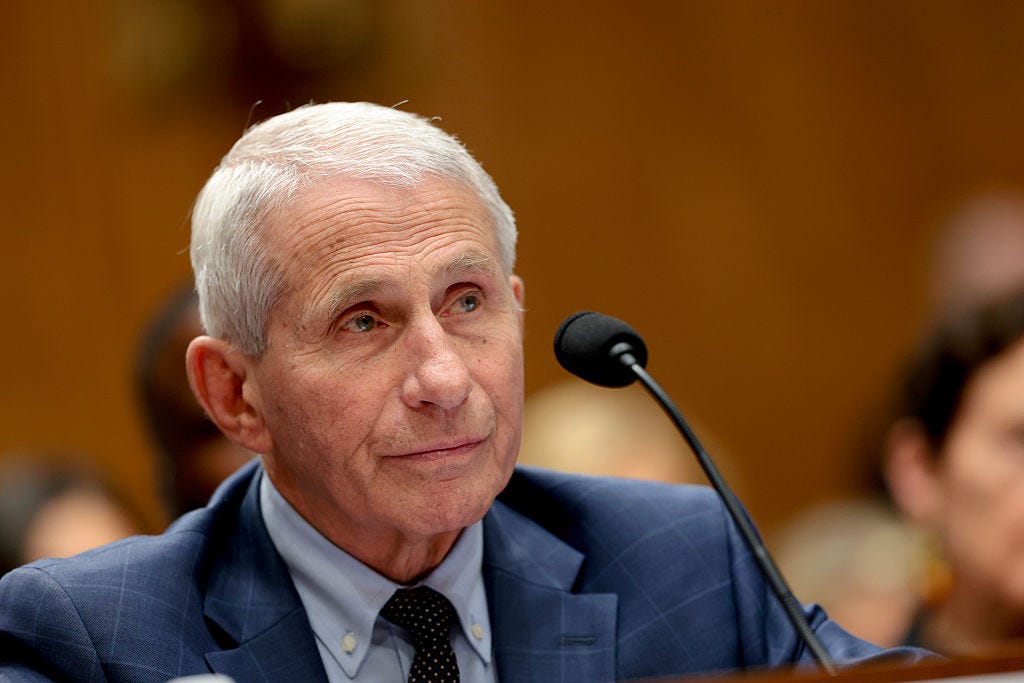
NIH Director Dr. Jay Bhattacharya says "I trust the science" on childhood vaccines amid measles outbreak
Washington — Dr. Jay Bhattacharya, director of the National Institutes of Health, said on Sunday that "I trust the science" on vaccines, as measles cases have risen to their highest levels in 35 years, sparking concern among some parents about their children returning to school this fall.
"I think that parents, for most kids, especially for the measles vaccines, the DTP, all the standard childhood vaccines, it's very important that parents vaccinate their kids," Bhattacharya said on "Face the Nation with Margaret Brennan."
Bhattacharya, who had also been serving as acting CDC director in recent months, said, "I'm giving my recommendation — I've vaccinated my kids."
"I think if you want to protect your kids from these sort of preventable diseases, yes, you should vaccinate your kids," he said. "But it is even more important that these kids go to school."
Bhattacharya pointed to the COVID-19 pandemic and the loss of trust in public health officials and institutions. He argued that it was a "tremendous mistake" to cause parents to fear sending their kids to school at the time. And as he encouraged parents to vaccinate their children, he said "it is a mistake, and it contributes to lack of public trust if you sort of fearmonger around, 'Oh, if you send your kids to school, well, you might be around unvaccinated kids.'"
"That's a tremendous mistake," he said. "You vaccinate your kids, you can protect your kids from those risks, whatever they are."
As measles cases have risen to their highest rates in decades in recent years, just 10 states had measles coverage rates among kindergarteners above the 95% threshold required for so-called herd immunity during the 2024-2025 school year, according to the CDC. When pressed by Margaret Brennan about what the administration can do, like a national push to share widely HHS Secretary Robert F. Kennedy Jr.'s message that he shared on CNN last week that parents should get their kids vaccinated against measles, Bhattacharya said "I've done my best to try to do that."
"Every time anyone's asked me about vaccinating their kids for measles, I say exactly that," he said. "The best way to protect your kids from measles is to get the vaccine for measles."
Bhattacharya noted that one of his first actions as acting CDC director in February was to go on camera and recommend that the best way to end the measles outbreak in South Carolina was for kids to get vaccinated, saying "the outbreak has now ended in South Carolina in part because of that."
Bhattacharya stressed that outbreaks in specific states have been addressed.
"Big outbreak in Texas, which has now been addressed; big outbreak in Arizona and Utah, that's been addressed; South Carolina, that's been addressed," he said. "Now, we saw there's an outbreak in Virginia, again coming down sharply, and now Pennsylvania. It's specific communities of people that are the highest risk that we have to focus on, as well as the broader sort of message that it's important for children to be vaccinated for the measles."
Bhattacharya's comments came after reports the White House is drafting an executive order on childhood vaccines and autism. Bhattacharya deferred to the White House on the details of the executive order, noting that "I won't be able to tell you specifically what's on it because I don't think it's done yet." But he stressed that the president and HHS secretary care "deeply" about the rise in autism.
"I, as NIH director, have been focused on making sure that we have science that addresses that very complicated question about why we've seen a rise in autism," Bhattacharya said. "It's not going to be a simple answer."
He added, "If you ask me, as a scientist, do I know why we've seen this rise in autism, I'll tell you, I don't know the answer to that question. And the fact that it gets so tied up with OK, is it is it vaccines not vaccines, what it does is it sends a signal to scientists that if you work on this topic, you're going to get destroyed if you get the wrong answer."
"The way you build public trust is, allow people to talk and think without that kind of sort of political overlay," Bhattacharya said. "I've tried my very hardest as NIH director to allow that to happen."
Kennedy is a longtime critic of vaccines, and has promoted the previously debunked connection between vaccines and autism.