China says "spy turtles" and "spy fish" deployed by foreign intelligence agencies snooping in its waters
Foreign intelligence services are using "spy turtles" and "spy fish" to snoop on China, the country's Ministry of State Security said Friday.
"An unseen covert war of espionage is currently unfolding" in the seas around China's coast, the ministry wrote in a post on the WeChat social media platform.
In recent years, overseas spy agencies have been "continuously collecting and stealing sensitive maritime data through various new types of espionage equipment," it said, including "spy turtles and spy fish."
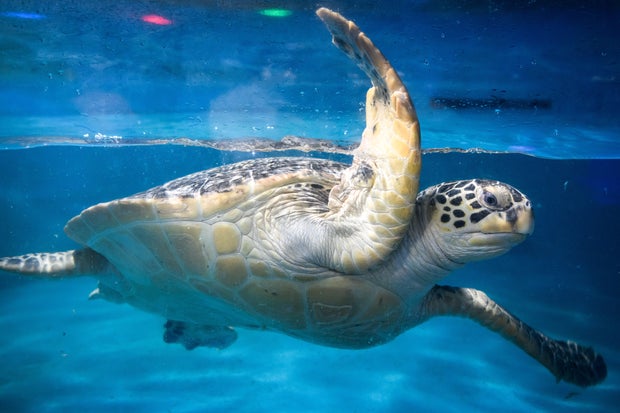
In certain Chinese waters, "relatively large living marine animals have been fitted with sensors to swim in specific areas, collect ocean data, and transmit it to overseas satellites," the ministry claimed, without providing details on where the animals had been found or which nations they suspected of overseeing the alleged espionage.
The other devices listed included "detection buoys," "a new type of wave glider," and equipment on ships.
The post said foreign spy agencies had for years tried to analyze Chinese naval activities, create "underwater maps" of the country's maritime coastline and monitor its offshore oil and gas deposits.
The ministry urged researchers, fishermen and vessel owners to remain vigilant and "report suspicious devices."
China has previously rewarded anglers for turning in alleged maritime spy devices. Some have received up to 500,000 yuan (about $73,000) for their help, according to CBS News' partner network BBC News.
The Chinese ministry's assertion isn't the first claim of marine animals being deployed for sabotage. In 2019, a Beluga whale turned up on the Norwegian coast wearing a harness that appeared to have a mount for a small camera, sparking speculation that it had been trained to spy for the Russian navy.
Moscow never issued an official reaction.
In 2023, the British military said Russia appeared to be training dolphins for combat to counter Ukrainian forces. The animals were "likely intended to counter enemy divers," said the British defense ministry.