What causes some children to set fires?

Investigators say several recent Twin Cities grassfires likely have a similar suspect: children.
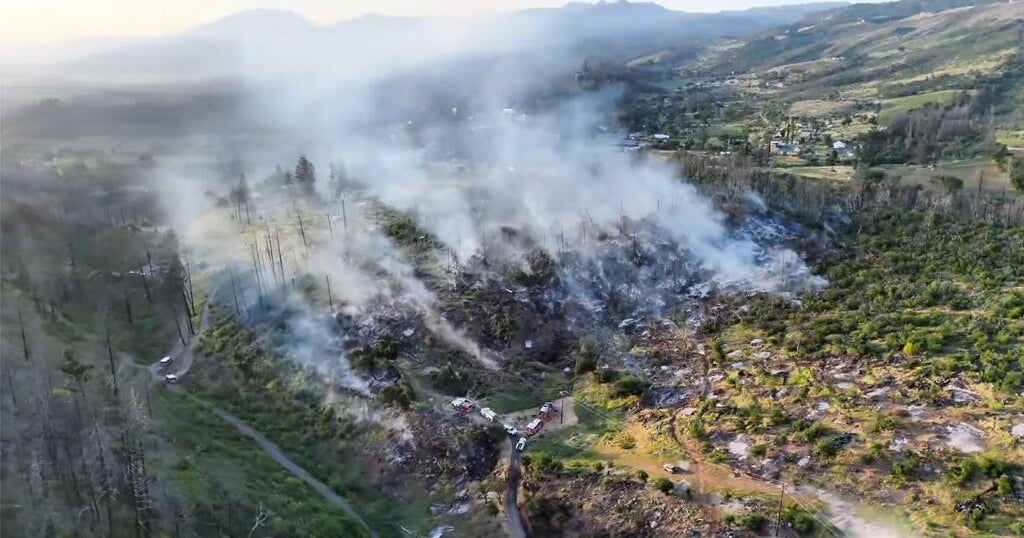
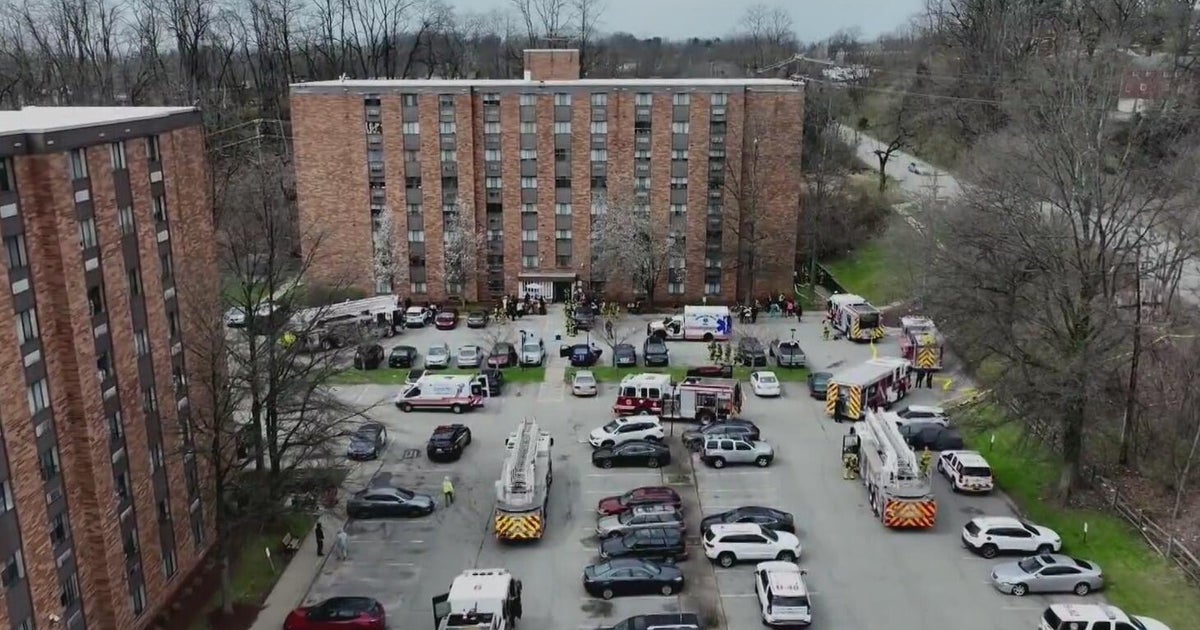
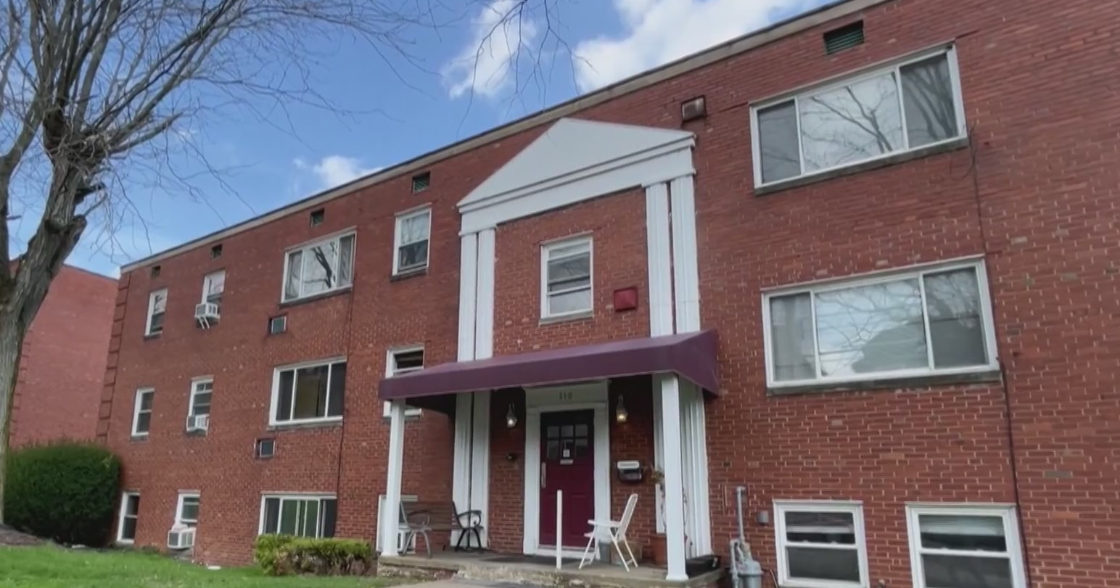
A wide swath of grass and cattails was charred at an apartment complex in New Brighton off County Road D. The burned area was just steps away from an apartment building and right next to parked cars. Investigators said kids playing with fire were behind it.
In nearby St. Anthony, kids are suspected of starting another fire at Silver Point Park. Thankfully, nobody was hurt in either case.
But playing with fire can be dangerous, even deadly. It's estimated that children playing with fire set more than 20,000 fires every year. On average, the fires they start cause nearly 1,000 injuries and 150 deaths each year.
"It's completely natural for kids to be curious about fires. It's very different when they start to act out on that curiosity," said Jeremy Berger, the fire marshal for New Brighton.
He said there are five categories of child fire setters.
Curiosity
The most common, often impacting younger kids around 5-10 years old. The fire can be accidental since kids that young don't understand the dangers and consequences.
"They're emulating adult behavior. They're curious about things that they've seen or heard about," said Berger.
Cry for help
Berger said the kids are having some issues at home or at school, so lighting fires would be their coping mechanism. They are consciously or subconsciously drawing attention to a stress in their life.
Thrill-seeking
Often involves older kids trying to take risks or impress their friends.
Delinquent/Criminal
"Kids might start fires because they're trying to cover up a crime, or they're again trying to get back at an injustice that they perceive," said Berger.
Also involves older children, around 11-15, who cause property damage and show little empathy. Children ages 10-17 account for about 50% of arson arrests.
Cognitively impaired
Children with underlying cognitive, behavioral, or mental health issues. In addition to lacking good judgment, Berger said, "they really are using that firesetting as part of their mental health issues."
While there are several different reasons children start fires, there are some common themes between them. They often start at home.
There's easy access to ignition sources, like matches and lighters. There's also a lack of adult supervision.
"Along with that, we have a major issue with a lack of current fire safety information," said Berger.
Kids often learn about fire safety around kindergarten, but Berger said there might not be follow-up education as they get older.
"Once they start acting out that curiosity, that's when we're really getting into those dangerous behaviors where you can have very serious life-altering consequences, burns, loss of life," he said.
To prevent that curiosity from turning into something destructive or tragic, what are the warning signs for parents that their child is setting fires?
"Look for any of those burn marks. If you're finding small pieces of burnt paper, melted pieces of plastic...that's a sign that there may be fire-setting going on in the home," Berger said.
Other visible signs include spent matches in the trash or near their bed, finding lighters where you didn't leave them and finding aerosol cans in strange places.
Berger also said parents should follow their nose. If you smell smoke or gasoline on your child or in their bedroom, it could be another sign they're starting fires.
If your child is starting fires, the state fire marshal's office has a program called the Minnesota Youth Firesetting Prevention and Intervention initiative. The goal is to intervene and determine the root cause of the fire's start.